

 中文简体

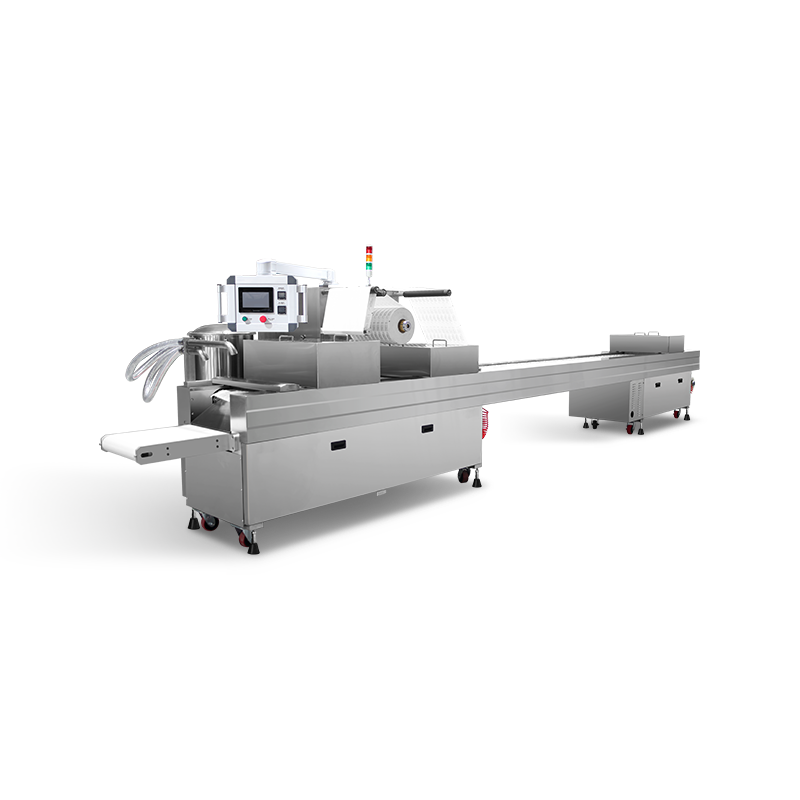
Blister Packaging Machines are specially designed for medical device packaging and comply with GMP requirements. The equipment adopts PLC control and completes forming, sealing, and die-cutting processes in one continuous operation. It supports various film materials, including PP+PE, PP+PVC, PET, nylon, and other types of packaging films. The machine uses a quenched steel integrated mold assembly (punch/die system), featuring high cutting accuracy and stable durability. With quick mold replacement and low material waste, it is suitable for small and medium batch production or production scenarios requiring frequent switching between multiple specifications, providing excellent stability and repeatability.
Company
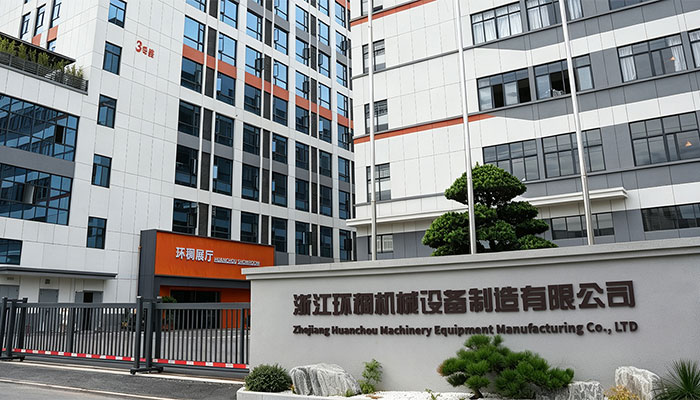
Zhejiang Huanchou Machinery Equipment Co.,Ltd.
Founded in 2008 and recognized as a National High-Tech Enterprise, Zhejiang Huanchou Mechanical Equipment Manufacturing Co., Ltd. specializes in R&D and manufacturing of automation equipment for disposable medical devices. Zhejiang Huanchou Mechanical Equipment Manufacturing Co., Ltd is a China Medical Blister Packaging Machines Manufacturer and Blister Packaging Machines Factory, our core products include automatic syringe assembly machines, self-destruct syringe assembly machines, automatic pad printing machines, and automatic syringe rolling printing machines.
With a dedicated R&D team of 23 professionals—nearly 40% of our total workforce—and ISO9001 certification, Huanchou serves clients across Europe, America, the Middle East, and Southeast Asia. Our new 23-mu manufacturing facility, designed to produce 1,000 syringe assembly line machines annually, is scheduled for full operation by the end of 2026, with an estimated annual output exceeding RMB 300 million.
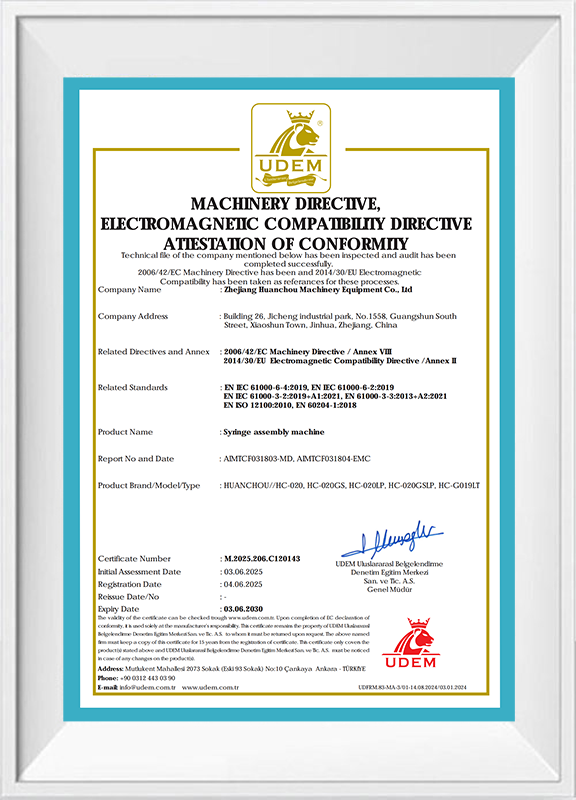
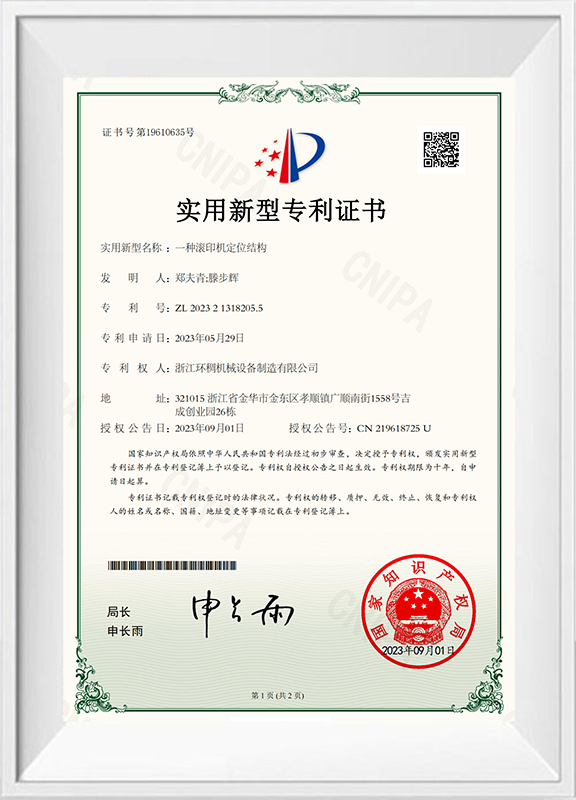
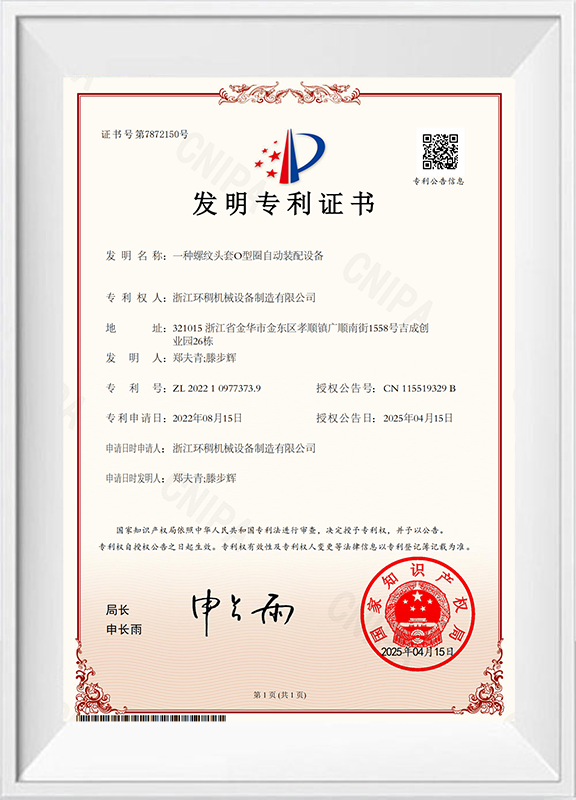
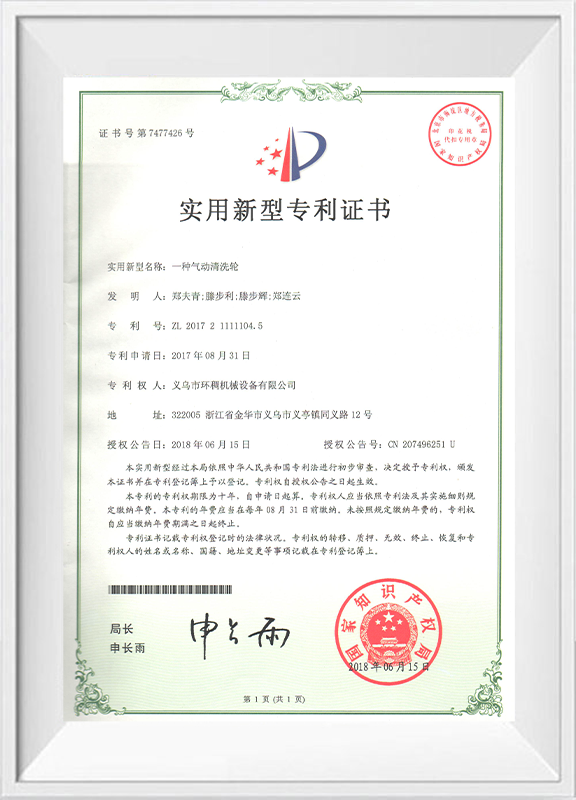
Certificate Of Honor
News
-
Walk the length of a modern syringe line and the number that decides whether the shift is profitable is rarely the headline speed printed on the datasheet. It is the number of tim...
READ MORE -
A line that runs four syringe formats will lose more time to changeover than to running. Walk the floor at shift change and the pattern is familiar: the printing station sits idle...
READ MORE -
A syringe line that runs three safety-cover variants, two prefilled formats, and a printed barrel for a different customer can lose more output during changeovers than during stea...
READ MORE -
Specialized automation for unique industries is rarely a catalog purchase. In medical disposables, the “unique” part is usually a syringe variant that behaves differently on the l...
READ MORE
Message Feedback
Blister Packaging Machines Industry knowledge
As a Medical Blister Packaging Machines Manufacturer, Bolun Press builds thermoform-fill-seal equipment for single-use devices, diagnostic components and small procedure kits. Our core platform, the HXP400, draws the cavity, seats the device, seals the lidding and die-cuts the finished card in one PLC-controlled pass, with a maximum forming depth of 120 mm and a format window from 19 mm to 400 mm.
Machines are configured around your device geometry, film combination and shift output rather than sold as a fixed catalogue unit, and the same engineering group supports the syringe printing and assembly lines that usually feed the packaging station.
What We Manufacture and Where the Machines Run
Founded in 2008 and recognised as a National High-Tech Enterprise, Bolun Press manufactures automation equipment for disposable medical devices from a 15,000 m² production base in Jinhua, Zhejiang. Blister packaging sits inside that portfolio, which means a packaging format can be developed with the upstream device line already in view instead of being treated as a separate box at the end of the plant.
Production runs from our Jinhua works, where the team operates as a blister packaging machines factory in China for medical-device and pharmaceutical customers, with equipment supplied to Europe, the Americas, Russia, Southeast Asia and Belt and Road markets. ISO9001 certification and a 23-engineer R&D group, close to 40% of the workforce, support the format engineering behind each machine.
- Single-use devices: syringes, needle hubs, scalpels, catheters and small tubing sets presented on a thermoformed card.
- Kits and procedure packs: multi-item layouts nested into one cavity with a single sealed lid.
- Flat diagnostic components: test strips, swabs and sampling accessories where print position and seal cleanliness matter.
- Multi-specification plants: sites that switch between several formats per week and need short, repeatable changeovers.
HXP400 Fully Automatic Blister Packing Machine
Our Fully Automatic Blister Packing Machine is the platform we configure for medical formats. Forming, sealing and die-cutting complete in one continuous operation under PLC control, and the machine is designed to run inside GMP-controlled packaging areas where repeatability, clean surfaces and documented settings are part of daily production.
Platform configuration points
- Quenched-steel integrated mold assembly using a punch/die system for cutting accuracy and long service life.
- Movable printing device for clear coding and batch marking on the top lidding film.
- Quick mold replacement with low material waste at start-up and changeover.
- PLC control across forming, sealing and cutting stations for stable, repeatable running.
| Parameter | HXP400 value | What it governs in production |
|---|---|---|
| Forming depth | Max. 120 mm | Tallest device or nested kit the cavity can draw |
| Forming film | 425 mm width; 0.05–0.15 mm; PP+PE, PP+PVC, PET, nylon | Cavity rigidity, clarity and puncture resistance |
| Lidding material | Width ≤415 mm; coated or non-coated paper | Seal integrity, peel behaviour and print surface |
| Packing format | Width 19–400 mm; length 50–400 mm | Cavity count per mold and card layout |
| Working cycle | 4–7 s | Roughly 510–900 cycles per hour before cavity count |
| Installed power | 3-phase 380 V + N + PE, 50 Hz, 10 kW | Supply sizing and control cabinet layout |
| Compressed air | 6 kg/cm², 700 L/min | Station actuation and cut force stability |
| Chilled water | ≈120 L/h at below 25 °C | Seal tool cooling and consistent seal quality |
| Footprint / weight | 7650 × 1100 × 1860 mm; 2,000 kg | Room layout, floor loading and service access |
Output is read as cycles multiplied by the number of cavities in the mold, so a wide 400 mm card with several impressions and a narrow single-impression card can leave the same machine at very different rates. Cycle time itself moves within the 4–7 s band with forming depth, film thickness and seal dwell, which is why we quote capacity against a defined format rather than a single headline figure.
Film, Lidding and Format Configuration
Film choice decides how a cavity performs in transit as much as how it forms. We match the base film to device weight, edge sharpness and the depth of draw, then set lidding and seal parameters to suit the coated or non-coated paper specified for the pack.
| Device type | Typical base film | Format consideration |
|---|---|---|
| Pre-filled syringes | PP+PE or PP+PVC | Ribbed cradle holds the barrel; depth sized to plunger rod |
| Needles and needle hubs | PET or PP+PVC | Puncture-resistant wall at the cannula end |
| Catheters and tubing sets | Nylon or PP+PE | Deep draw for coiled lengths; rounded cavity radii |
| Dressings and small kits | PET or PP+PE | Multiple compartments in one card, lid peel cleanly |
| Diagnostic strips and swabs | PET | Shallow draw; print position aligned to the reading area |
Changeover, Mold Durability and Multi-Format Production
The mold set is a quenched-steel integrated assembly rather than a light frame, so the punch and die hold registration after repeated cutting cycles and the cavity edge stays clean over long runs. For plants running small and medium batches across several specifications, that durability is what keeps the first card of a new batch as accurate as the last card of the previous one.
- Forming mold and seal tool exchanged as matched sets.
- Film path and lidding alignment reset to the new web width.
- Print position on the top film re-indexed to the new card pitch.
- First-article check on cavity draw, seal and die-cut registration before release.
Our patent portfolio includes an unwinding mechanism for a thermoforming packaging machine, developed to keep web tension steady as roll diameter changes. Tension stability is what protects forming accuracy at the start of a roll and cutting accuracy at the end of it.
Line Integration with Syringe Printing and Assembly
Blister packaging rarely stands alone in a disposable-device plant, so we plan the packing station as part of the wider line. Device arrival pattern, buffer capacity between stations and the orientation of parts leaving Pre-Filled Syringe Assembly Machine equipment all influence the infeed arrangement and the height at which operators load the machine.
Where printed scale lines or batch codes must stay legible through the lidding, we coordinate the packing format with the output of our Syringe Printing Machines Manufacturer range so that print position, card window and cavity depth are agreed before tooling is cut.
Quality Control, CE Certification and Acceptance
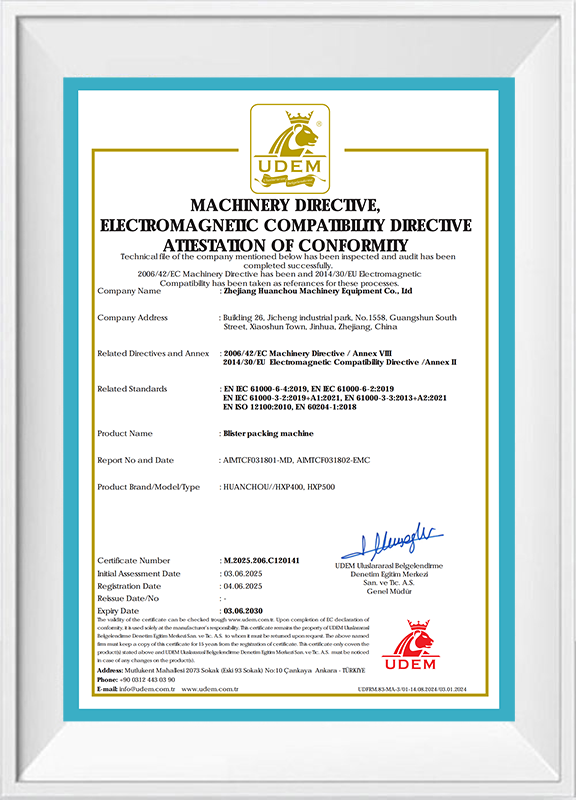
Blister packing machine CE certification forms part of our certification set, alongside ISO9001 quality system certification across manufacturing processes. Machines are assembled, wired and run through dry cycles before dispatch, and the mold set is proved on the device or a representative sample supplied with the order.
- Forming check: cavity depth, wall thickness distribution and base clarity against the agreed drawing.
- Seal check: continuous seal line, no film wrinkling, lid peel consistent across the card.
- Cut check: die-cut registration, rounded corners and clean separation without fibre tear.
- Print check: code position legible and repeatable on the top film.
- Documentation: CE documentation, electrical drawings, PLC program backup, operating manual and spare-parts list.
Installation, Utilities and Site Data
Installation planning starts with the utilities the machine actually needs at the working point: a 10 kW three-phase supply, 700 L/min of compressed air at 6 kg/cm² and roughly 120 L/h of chilled water below 25 °C. Floor loading, service clearance on the operator side and roll storage next to the machine are reviewed together, since film handling space affects changeover time as much as the mold exchange itself.
- Supply voltage and frequency confirmed against your plant distribution during order review.
- Air quality at the point of use confirmed before commissioning.
- Cooling circuit and drain routing agreed with your facilities team.
- Installation, operator training and remote technical assistance provided as part of handover.
- Cleanroom entry sequence planned for the machine footprint of 7650 × 1100 × 1860 mm.
Information We Use to Configure Your Solution
A blister format is fixed by the device, the film and the batch pattern together. The details below let us select the mold layout, station configuration and control options in one pass instead of revising tooling later.
- Device drawings or 3D models, including the maximum height and any sharp edges.
- Required cavity layout per card and the preferred card orientation.
- Base film and lidding specification, with roll widths and thickness.
- Target output per shift and the number of format changes per week.
- Whether the device is loaded manually or transferred from an upstream machine.
- Coding or marking requirement on the lidding film.
- Plant supply voltage, frequency, air and chilled water availability.
- Documentation language and any site acceptance criteria your quality team applies.
Maintenance, Spares and Serviceability
Wear in a blister line concentrates in a few places: the seal tool face, the cutting edge, the film transport rollers and the print pad. Our mold assemblies are built for repeated regrinding and replacement as matched punch/die sets, and the machine layout keeps the forming, sealing and cutting stations accessible for routine inspection without dismantling the film path.
- Recommended spares list issued with the machine documentation.
- PLC program backup and electrical drawings supplied for in-house maintenance teams.
- Replacement mold sets quoted against the device drawing for future format additions.
- Remote technical assistance for fault diagnosis between scheduled service visits.
Frequently Asked Questions
What medical products can the HXP400 pack?
The machine forms a cavity, seats the device, seals the lidding and die-cuts the card in one pass, with packing widths of 19–400 mm, lengths of 50–400 mm and a forming depth of up to 120 mm. That window covers syringes, needles, catheters, small kits, dressings and flat diagnostic components. Tall or deep-drawn devices are checked against the 120 mm limit and the 0.05–0.15 mm film range before the mold layout is fixed.
Which films and lidding materials does it run?
Base films include PP+PE, PP+PVC, PET and nylon at 425 mm web width. Lidding can be coated or non-coated paper up to 415 mm wide. Seal temperature, dwell and pressure are set against the specific combination, since a PET cavity with paper lidding behaves differently from a PP+PE cavity with the same lid.
What output can we expect at the working point?
The working cycle runs 4–7 seconds, which gives roughly 510–900 forming and sealing cycles per hour. Hourly pack output is that figure multiplied by the number of cavities in the mold. Because deeper draws and thicker films push the cycle toward the upper end, we quote capacity against a defined card format rather than a single number.
What utilities must be ready before installation?
Plan for a 10 kW three-phase supply (380 V + N + PE, 50 Hz), compressed air at 6 kg/cm² and 700 L/min, and chilled water at approximately 120 L/h below 25 °C. The machine measures 7650 × 1100 × 1860 mm and weighs 2,000 kg, so floor loading and service clearance are confirmed at layout stage. Supply voltage and frequency are matched to your plant during order review.
How long does a format change take?
The mold set is a quenched-steel integrated punch/die assembly designed for quick replacement, and the movable printing device re-indexes without a long setup. In practice changeover time is governed by how far the new format differs in web width, card pitch and draw depth, which is why the number of weekly format changes is one of the first things we ask about.
Is the blister packing machine CE certified?
Yes. Blister packing machine CE certification is held alongside our ISO9001 quality system certification, and the certification documents travel with the machine documentation package together with electrical drawings, the PLC program backup, the operating manual and the spare-parts list.

 Medical Blister Packaging Machines Manufacturer
Blister Packaging Machines Factory
Copyright ©
Zhejiang Huanchou Machinery Equipment Co.,Ltd.
All Rights Reserved.