

 English
 中文简体

Syringe Printing & Assembly Machines: Practical Buyer Guide
Date:11 05, 2026
Content
- 1 Syringe Assembly Machines: Core Stations and Practical Checks
- 2 Syringe Printing Machines: Pad Printing, Rolling Printing and Print Stability
- 3 Syringe Printing & Assembly Machines: Linked Line or Separate Units
- 4 Blister Packaging Machines for Syringes: Forming, Loading and Sealing
- 5 Syringe Machine Components & Accessories: What Wears Out and What to Keep in Stock
- 6 Planned Component Care and Steady Output on Syringe Printing and Assembly Lines
- 7 Fixtures, Tooling and Changeover Sets Across Syringe Sizes
- 8 Documentation, Validation and Traceability for Syringe Production Machines
- 9 Comparing Suppliers, Manufacturers and Wholesalers of Syringe Machines
- 10 Commissioning, Training and Ramp-Up Planning for a New Syringe Line
- 11 About Zhejiang Huanchou Mechanical Equipment Manufacturing
- 12 Explore Related Equipment Pages
- 13 Frequently Asked Questions About Syringe Machines and Components
- 13.1 Q1. What should I check first when comparing syringe printing machines and syringe assembly machines?
- 13.2 Q2. Are Syringe Printing & Assembly Machines better bought as a line or as separate units?
- 13.3 Q3. What should I confirm with blister packaging machines suppliers?
- 13.4 Q4. How should I plan Syringe Machine Components & Accessories?
A syringe line rarely stops because the main machine fails outright. More often it slows down because a printing pad has worn at the edges, a feeder track has picked up a burr, or a sealing tool has drifted out of its temperature window. The practical answer for buyers comparing syringe printing machines, syringe assembly machines and blister packaging machines is to judge each machine together with its wear parts: ask which components wear, how quickly they can be replaced, and what documentation comes with them, before you compare rated speeds.
This guide is written for factory owners, maintenance managers and sourcing teams who are building or upgrading a disposable syringe line. It explains how syringe printing and assembly machines fit together, what blister packaging machines add at the end of the line, and how to plan for syringe machine components and accessories so the line keeps a steady rhythm. Where we mention standards, we name them so your team can verify them. Where we use ratings or timelines to make a comparison readable, we label them as illustrative planning examples and not as measured data.
- How Syringe Printing Machines, Assembly Machines and Packaging Fit Together
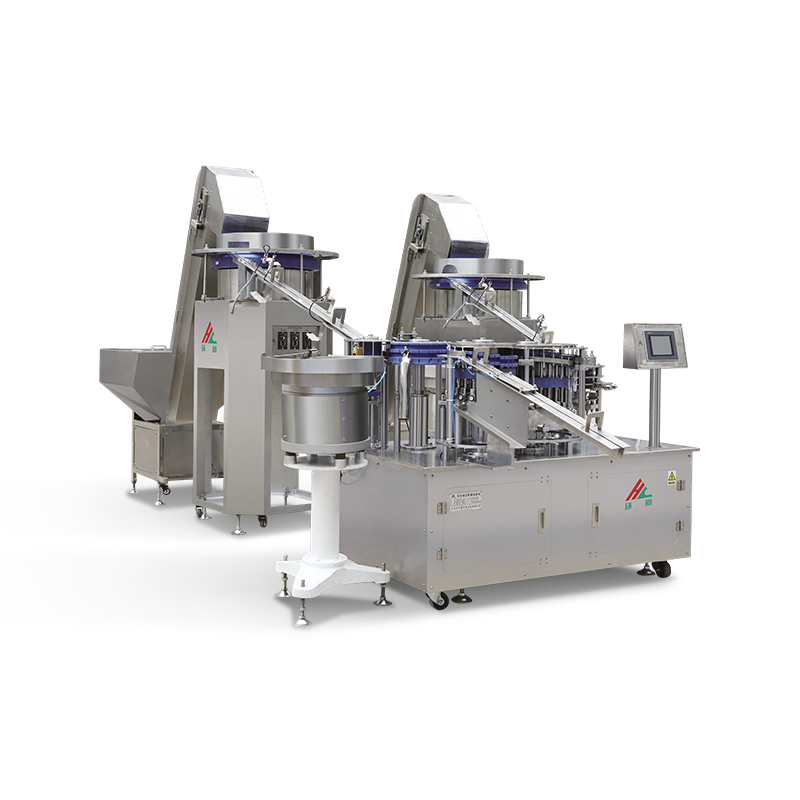
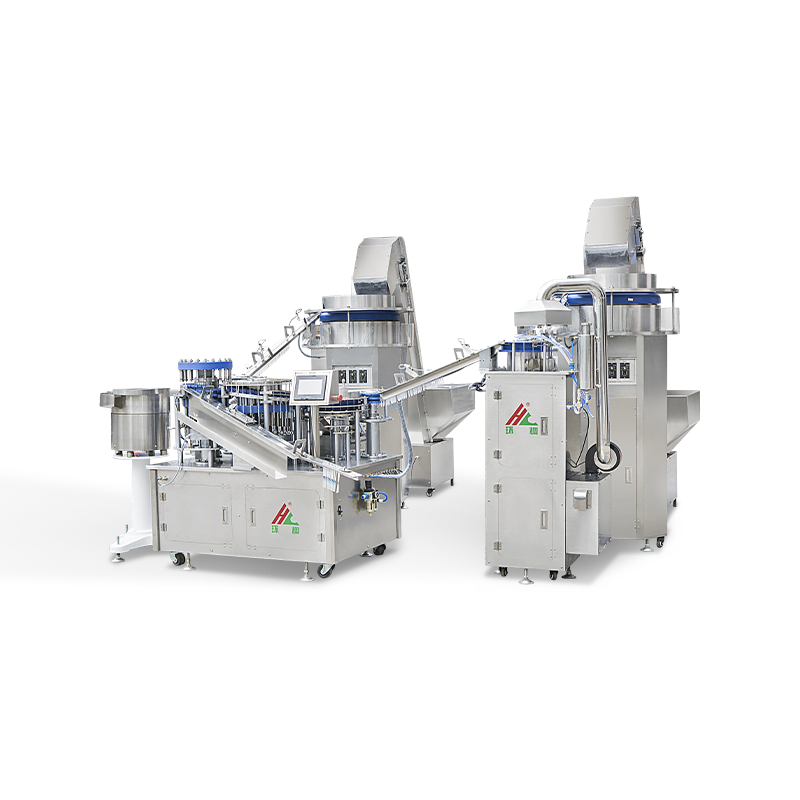
A disposable syringe passes through a short chain of machines before it is ready for sterilization. Barrels, plunger rods, pistons and needle components arrive from molding or from component suppliers. Syringe assembly machines combine them, syringe printing machines mark the barrel with scale and batch information, and blister packaging machines or similar equipment protect the finished product. The order of printing and assembly differs between plants, but the underlying principle is the same: each station hands a correctly oriented, undamaged part to the next one.
Problems rarely come from a single station. They tend to appear at the hand-off between stations, where orientation, timing and part condition meet. A barrel that is slightly scratched during transfer may print well but look poor at inspection, and a piston that arrives slightly sticky may assemble well but jam the feeder after an hour. Planning the line as a connected system, and not as a shopping list of machines, helps you notice these interactions before they cost production time.
The stations in a typical order
- Component feeding and orientation for barrels, rods, pistons and caps.
- Piston fitting and plunger insertion on the assembly machine.
- Printing of scale, volume numbers and batch data.
- Needle or cap fitting, depending on the syringe design.
- Inspection, counting and blister or pouch packaging.
Sterile single-use hypodermic syringes are covered by ISO 7886-1, which also addresses graduated scales, so the printing station supports a regulated feature of the product. Your quality system is likely built on ISO 13485, and packaging for terminally sterilized devices is addressed in ISO 11607. Keeping these references in mind helps you ask a supplier the right questions from the first meeting.
Plan printing, assembly and packaging as one connected system, because most line problems appear at the hand-off between stations.
Syringe Assembly Machines: Core Stations and Practical Checks
Syringe assembly machines are easier to evaluate when you read them station by station. Each station has one job, one common failure pattern and one thing you can inspect during a factory visit. The table below summarizes the stations most buyers encounter and what to look at in each.
| Common stations of syringe assembly machines and what to inspect at each. | ||
| Station | Main job | What to inspect |
| Barrel feeding | Orients and delivers barrels | Jam rate with your own barrels |
| Piston fitting | Seats the piston on the rod head | Handling of tacky or lubricated pistons |
| Plunger insertion | Pushes the plunger into the barrel | Alignment guides and insertion force |
| Needle or cap station | Fits hubs and protective caps | Seating consistency and cap retention |
| Control and rejection | Detects faults and removes rejects | Alarm logic, counters and reject separation |
Piston handling deserves a trial with real parts. Rubber pistons are soft and can carry a thin lubricant film, which changes how they behave on feeder surfaces compared with dry plastic samples. A machine that performs well in a demonstration with substitute parts may behave differently on your actual pistons.
Self-destruct, or auto-disable, designs add a locking mechanism that must not trigger during assembly. ISO 7886-3 covers this category, and a supplier of self-destruct syringe assembly equipment should be able to describe how insertion speed, force and alignment are set to protect the mechanism. Share your drawings early so the assembly sequence can be agreed in writing.
Test each assembly station with your own barrels and pistons, especially the piston station, before judging the machine as a whole.
Syringe Printing Machines: Pad Printing, Rolling Printing and Print Stability
Syringe printing machines carry a task that looks cosmetic but is functional. The scale tells the user how much liquid is in the barrel, so legibility and position accuracy matter as much as appearance. Two methods are common: pad printing, which transfers ink from an etched plate through a silicone pad, and rolling printing, which turns the barrel against a print element for a continuous wrap-around mark.
Pad printing handles fine lines and small text well, which is useful for dense scales. Rolling printing suits continuous marking at steady line speed. Many factories use both, with pad printing for the scale and rolling printing for batch or brand information, and a supplier who offers both can help you choose the arrangement that suits your layout.
What keeps print stable
- Consistent ink viscosity, checked at a set interval and adjusted as the process requires.
- Pads replaced before edges show wear, not after print quality has already dropped.
- Fixtures that hold the barrel at a repeatable angle for every cycle.
- A sample barrel compared with an approved master at the start of each shift.
- Adhesion tested after sterilization on your own barrels and your own ink.
Notice how many of these items are components or consumables: pads, plates, fixtures, ink. That is why print stability is closely tied to how well you plan syringe machine components and accessories, which we return to later in this guide.
Print stability depends on fixtures, pads, plates and ink as much as on the printer itself, so plan those items from the start.
Syringe Printing & Assembly Machines: Linked Line or Separate Units
Syringe Printing & Assembly Machines can be bought as a linked line or as separate units placed in sequence. A linked line reduces handling and keeps barrel orientation under control from print to assembly. Separate units are easier to service independently and can be rearranged as your product range changes. Neither choice is right for every plant, so it helps to compare them against your own volume and staffing.
| A practical comparison of linked and separate printing and assembly arrangements. | ||
| Factor | Linked line | Separate units |
| Barrel handling | Fewer transfers, orientation retained | More transfers, re-orientation needed |
| Maintenance | One station can pause the other | Each unit can be stopped on its own |
| Flexibility | Suits stable product range | Suits changing product range |
| Floor layout | Compact, planned as one line | Needs space for buffers and transfers |
| Operator training | One control style across the line | Possibly several control styles |
A supplier that builds both printing and assembly equipment can design the hand-off between them, which is where many line problems start. Ask how printed barrels reach the assembly feeder, how long the ink has to set, and what the line does when one side stops. The answers show whether the equipment was designed as one system.
Distributors and wholesalers moving toward local production often favor a single-source arrangement, because one party is then responsible for the entire interface. It also simplifies spare parts planning, since component families can be shared between the printing and assembly sections.
Choose a linked line for stable product ranges and separate units where flexibility and independent maintenance matter more.
Blister Packaging Machines for Syringes: Forming, Loading and Sealing
Blister packaging machines form a plastic cavity, place the product inside and seal a lid material over it. For syringes, this creates a package that can be sterilized, stored and opened cleanly. Choosing between blister, pouch or other formats depends on your product, your market and your sterilization method, and the choice should be made early because it affects how upstream machines deliver the barrel.
ISO 11607 describes requirements for packaging of terminally sterilized medical devices, including the validation of forming and sealing processes. That standard is a useful reference when you discuss medical blister packaging machines with a supplier, since it frames what the machine must control: forming consistency, sealing consistency and the ability to document both.
Forming
The cavity must hold the syringe without squeezing it and without leaving so much room that it moves around. Check wall thickness at the corners, since thin corners can crack during handling or sterilization. Forming tools are components that need care, and a spare set is worth discussing at the quotation stage.
Loading
The loading station expects each syringe in a known orientation. If printed and assembled syringes arrive in random positions, the loader has to correct them, which adds a point of failure. This is another reason to plan packaging together with printing and assembly.
Sealing
Seal temperature, pressure and dwell time work together, and small changes in any of them alter seal strength. ASTM F88 describes seal strength testing, while ASTM F1929 and F2096 describe dye penetration and bubble emission leak tests. A supplier familiar with these methods can explain how machine settings relate to test results.
Run blister trials with your printed syringes and your own packaging materials, then test seal strength and leaks in your own laboratory.
Syringe Machine Components & Accessories: What Wears Out and What to Keep in Stock
Syringe Machine Components & Accessories are the parts that decide how long a line runs between interventions. Some wear quickly and are replaced as routine consumables. Others wear slowly but cause long stoppages when they fail. A stock plan that separates these two groups is more useful than a single long list, because it tells your team what to keep on the shelf and what to order when a need appears.
The next chart shows a relative index of how often common wear items are replaced on a typical syringe line. It is an illustrative planning chart based on general process behavior, not measured data from any specific plant, so use it to structure your own records.
The chart shows a clear gradient. Consumables such as ink and cleaning supplies, together with printing pads, sit at the top because they are used directly in every cycle. These are the items worth stocking in quantity next to the printing section of your line.
Gripper pads, guide rails and sealing tools occupy the middle band. They wear gradually, so their condition is best managed through scheduled inspection, with replacements ordered ahead of need. Sensors and cables sit at the low end, yet a failed sensor can stop a whole line, so keeping at least one spare of each critical type is a reasonable precaution.
When you speak with a syringe printing machines supplier or an assembly machine manufacturer, ask for a recommended spare parts list divided into these groups. A supplier that has supported lines in the field can usually produce such a list quickly, and the answer tells you something about how much service experience stands behind the equipment.
| A simple way to group components and accessories for stock planning. | ||
| Group | Examples | Stocking approach |
| Routine consumables | Ink, solvents, printing pads | Keep on site in working quantity |
| Gradual wear parts | Grippers, guide rails, sealing tools | Inspect on schedule, hold one set |
| Critical electronics | Sensors, cables, relays | Hold at least one spare per type |
| Changeover sets | Fixtures, plates, format parts | Store labeled, one set per syringe size |
Divide components into consumables, wear parts, critical electronics and changeover sets, and ask the supplier for a spare list in the same groups.
Planned Component Care and Steady Output on Syringe Printing and Assembly Lines
A line that is cared for on a schedule behaves differently from one repaired only when it stops. Scheduled care means checking pads, rails, grippers and seals at planned intervals, cleaning on a fixed routine and recording what was found. Reactive repair means waiting for a fault and responding after output has already dropped.
The line chart below compares the two approaches over an eight-hour shift. It uses an illustrative output index starting from 100 at the beginning of the shift, so it shows the shape of the trend and not measured results from any plant.
The darker line shows a gentle decline that reflects normal drift in ink, pads and fixtures across a shift, held in check by planned checks. The lighter line falls faster as small problems accumulate, with a partial recovery around hour five that represents a stop and repair, followed by another decline.
The gap between the lines widens toward the end of the shift. In a real plant, that gap would show up as extra rejects, extra stoppages and extra inspection effort, which is why many maintenance teams build short checks into shift handovers. The checks themselves take little time when the right components are at hand and the team knows what to look for.
For equipment buyers, the lesson is practical. Ask your syringe assembly machines supplier to provide a maintenance schedule with the machine, listing each component, the suggested inspection interval and the signs of wear to watch for. A clear schedule makes it easier to train operators and to compare the effort that different machines demand.
Build short component checks into every shift handover, using a maintenance schedule that the supplier provides with the machine.
Fixtures, Tooling and Changeover Sets Across Syringe Sizes
Most syringe factories run several sizes on the same equipment, for example small insulin or tuberculin types alongside standard 3 ml, 5 ml and 10 ml syringes. Each size changes the fixtures that hold the barrel, the plates used for printing, and often the guides on the assembly machine. Managing these changeover sets well saves more time than most buyers expect.
Label and store each set
Keep every set together, labeled with the syringe size and the machine it belongs to, and stored where it is protected from dust and impact. A mixed pile of fixtures on a shelf is a common cause of slow changeovers and incorrect setups, particularly on night shifts.
Define the changeover steps
Ask the supplier for a written changeover procedure for each size, including which parts are swapped, which settings are adjusted and how the new setup is verified. A first-piece check after changeover, compared with an approved master, helps catch mistakes before a full batch is produced.
Plan for future sizes
If you expect to add sizes later, ask how new tooling is quoted and delivered, and what information the supplier needs from you. Providing drawings and sample parts early shortens the process. Suppliers who have built tooling for many sizes can often adapt an existing design rather than starting from scratch.
- Keep a labeled tooling list for each machine, with part numbers and syringe sizes.
- Record the settings used for each size so the next changeover starts from a known point.
- Train at least two people on each changeover to avoid dependence on a single technician.
Label and store every changeover set, write down the procedure for each syringe size, and confirm the first piece against a master.
Documentation, Validation and Traceability for Syringe Production Machines
A syringe machine is part of a regulated manufacturing process, so the paperwork around it carries real weight. Auditors and customers may ask how the machine was qualified, how it is maintained and how records link a batch to the settings used. A supplier who understands this can save your quality team considerable effort.
ISO 13485 sets quality management requirements for medical devices, including controls over production equipment and process validation. For packaging steps, ISO 11607-2 addresses validation of forming, sealing and assembly processes. Risk management is covered by ISO 14971. Knowing which of these your customers expect helps you ask the supplier for the right supporting documents.
Documents to request with the machine
- Operation and maintenance manuals in a language your team reads.
- Electrical and pneumatic diagrams, plus a parts list with identifiers.
- A factory acceptance test protocol and a signed report of the results.
- Material information for parts that touch the product.
- Support for installation, operational and performance qualification activities on your side.
Traceability at the machine level means recording counts, rejects, alarms and key settings by shift or batch. Ask how the control system stores these records and how they can be exported. A line that cannot produce a simple shift report adds manual work later, especially when customers audit your production history.
Request manuals, diagrams, acceptance protocols and exportable production records together with the machine, not after delivery.
Comparing Suppliers, Manufacturers and Wholesalers of Syringe Machines
Buyers meet three kinds of sellers in this market: manufacturers who design and build the machines, suppliers who resell equipment from one or more factories, and wholesalers or trading companies who handle components and accessories. Each can be useful. The important question is who answers technical questions and who stands behind the machine after delivery.
| What to expect from different types of equipment sellers. | ||
| Seller type | Typical strength | Question to ask |
| Manufacturer | Design control and engineering depth | Can your engineers join the technical calls? |
| Supplier or reseller | Access to several machine types | Who provides service and spare parts after delivery? |
| Component wholesaler | Availability of wear items | Are parts made to the machine maker's drawings? |
Compatibility deserves a direct question. Components that fit visually may differ slightly in material, hardness or dimension, and on a syringe line small differences show up in print or assembly quality. Where possible, source wear parts through the machine manufacturer or confirm that alternatives were tested on your machine.
A reference conversation with an existing customer is also valuable. Ask about installation, training, spare parts response and the first months of operation. The answers usually tell you more about long-term support than a presentation can.
Identify who handles engineering questions, service and parts supply, and confirm that replacement components were tested on your machine.
Commissioning, Training and Ramp-Up Planning for a New Syringe Line
A new line moves through specification, design, build, acceptance, shipping, installation and training before it reaches stable production. Each phase has its own risks, and knowing the sequence helps you assign people and dates realistically. The timeline below is a planning template with example durations, since real schedules depend on machine type, customization and shipping route.
The timeline shows that the build phase takes the longest block of time, yet the earlier phases decide how smooth it will be. Time spent on a clear specification, drawings and sample parts reduces the risk of changes during build, when changes are harder to make.
Factory acceptance sits between build and shipping for a reason. It is the moment to run your own components, review stoppage records, test seal strength on blister samples and check print on your barrels. Findings at this point are far easier to correct than findings after installation in your plant.
Training and ramp-up close the schedule, and they deserve the same attention as the machine. Operators need practical routines for loading, cleaning and first-piece checks, while technicians need deeper knowledge of adjustment and component replacement. A handover checklist signed by both sides gives the project a clear end point.
Treat the chart as a template for discussion. Ask your supplier for its own schedule, compare it with the example, and note where the two differ. Large differences usually reflect different assumptions about customization, shipping or your building readiness, and talking them through early prevents surprises.
Invest early in specification and acceptance testing, and schedule training and ramp-up as a real project phase.
About Zhejiang Huanchou Mechanical Equipment Manufacturing
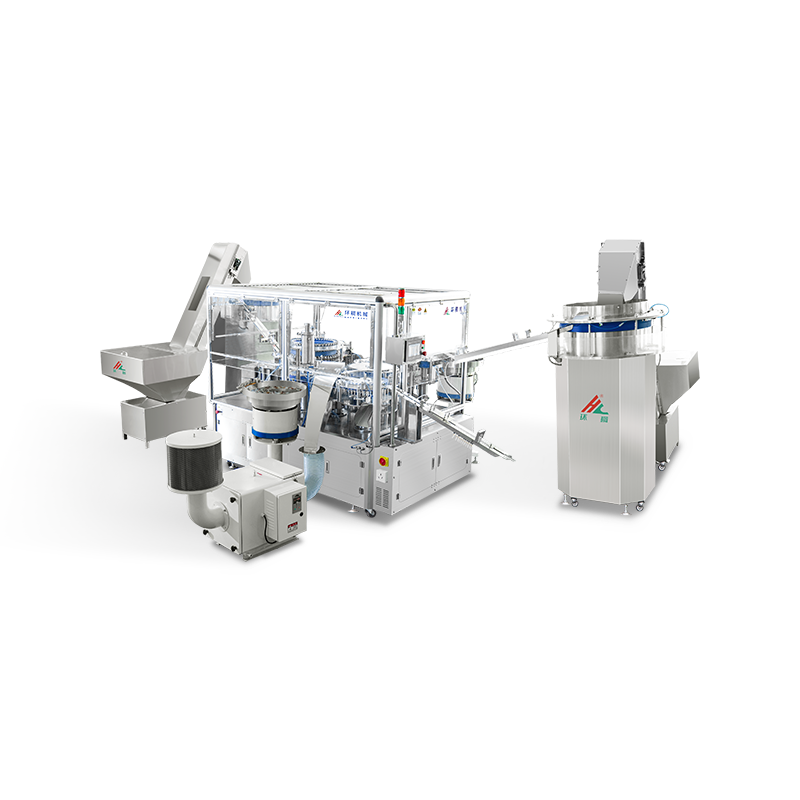
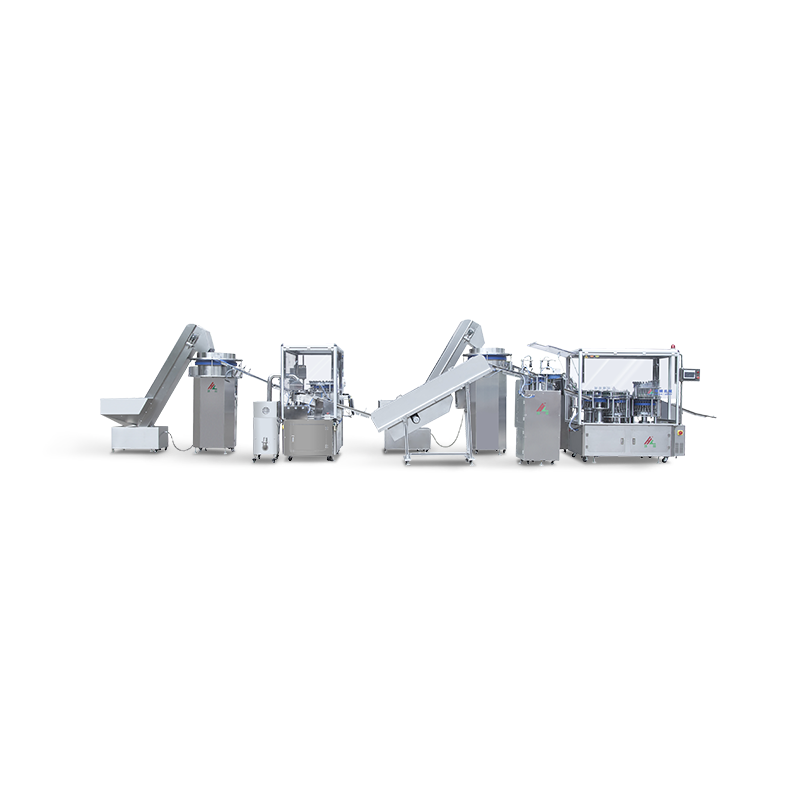
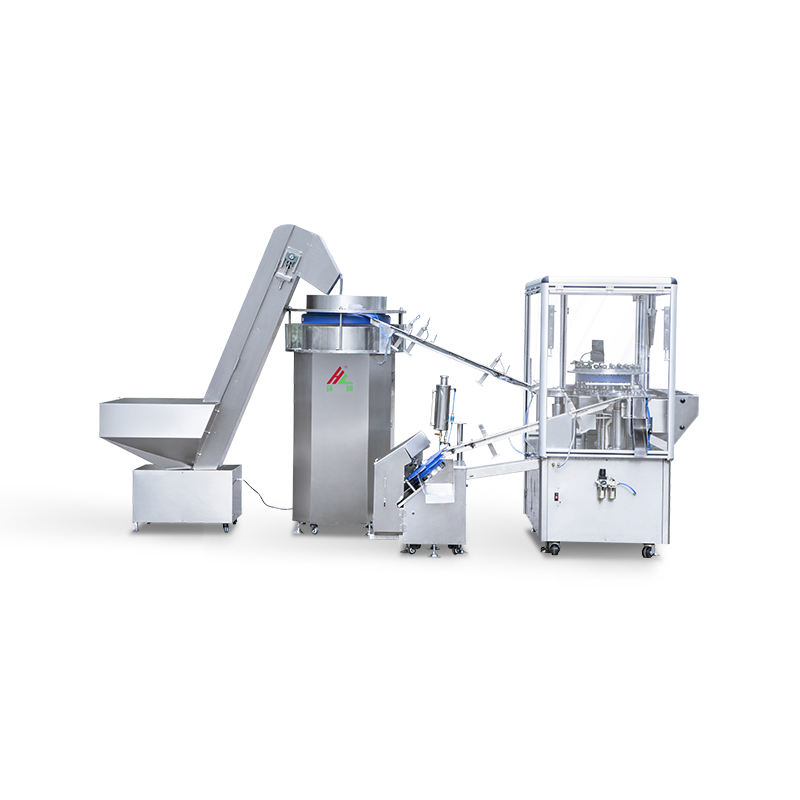
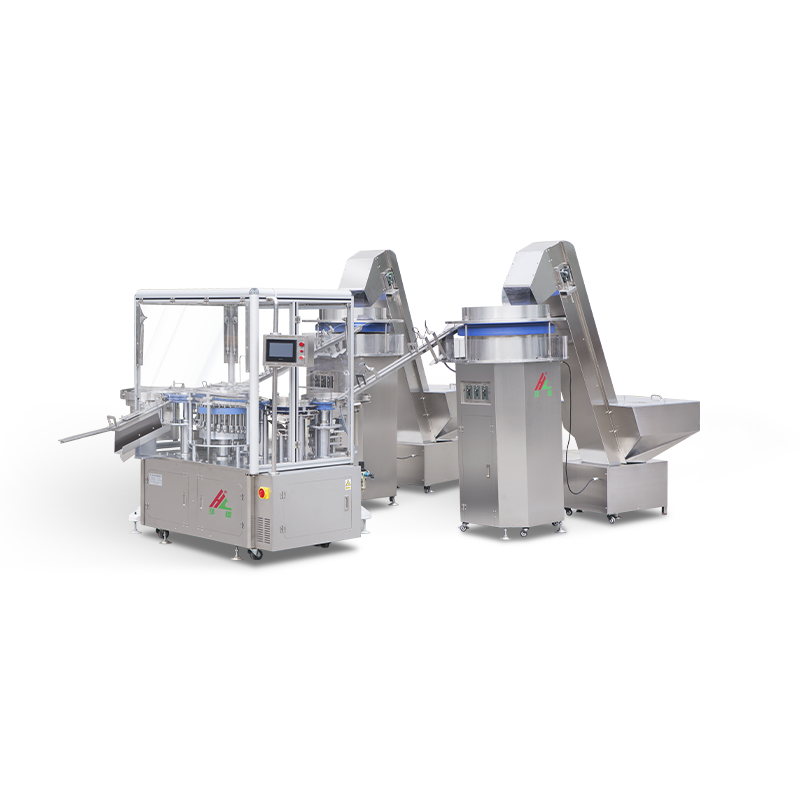
Founded in 2008 and recognized as a National High-Tech Enterprise, Zhejiang Huanchou Mechanical Equipment Manufacturing Co., Ltd. specializes in R&D and manufacturing of automation equipment for disposable medical devices. Zhejiang Huanchou Mechanical Equipment Manufacturing Co., Ltd is a China medical device automation equipment manufacturer and syringe assembly machine factory, and its core products include automatic syringe assembly machines, self-destruct syringe assembly machines, automatic pad printing machines, and automatic syringe rolling printing machines.
With a dedicated R&D team of 23 professionals, nearly 40% of the total workforce, and ISO9001 certification, Huanchou serves clients across Europe, America, the Middle East, and Southeast Asia. Its new 23-mu manufacturing facility, designed to produce 1,000 syringe assembly line machines annually, is scheduled for full operation by the end of 2026, with an estimated annual output exceeding RMB 300 million.
For buyers, a team with a large engineering share and a focus on disposable medical device automation means technical questions about stations, fixtures and spare parts can be taken up with people who work on the equipment itself. As with any supplier, confirm this through a factory visit, references and a trial with your own components before you decide.
Use the company profile as a starting point, then verify engineering depth through a factory visit and a trial on your own components.
Explore Related Equipment Pages
These topics connect directly to the discussion above. Replace the link addresses with your own website pages before publishing.
Frequently Asked Questions About Syringe Machines and Components
Q1. What should I check first when comparing syringe printing machines and syringe assembly machines?
Check how each machine performs with your own barrels and pistons, and ask how the hand-off between printing and assembly is handled. A trial run with a record of stoppages by cause tells you more than a rated speed.
Q2. Are Syringe Printing & Assembly Machines better bought as a line or as separate units?
A linked line keeps barrel orientation under control and suits stable product ranges, while separate units are easier to service independently and suit changing ranges. Decide based on your volume, staffing and floor space.
Q3. What should I confirm with blister packaging machines suppliers?
Confirm forming quality, product loading, seal consistency and coding, then test seal strength and leaks on samples made with your own materials. ISO 11607 and the related ASTM test methods give both sides a common reference.
Q4. How should I plan Syringe Machine Components & Accessories?
Group parts into consumables, gradual wear parts, critical electronics and changeover sets, and ask the supplier for a recommended spare list in those groups. Keep routine consumables on site and hold at least one spare of each critical sensor type.

 Medical Device Automation Equipment Manufacturer
Syringe Assembly Machine Factory
Copyright ©
Zhejiang Huanchou Machinery Equipment Co.,Ltd.
All Rights Reserved.