

 中文简体
Walk the length of a modern syringe line and the number that decides whether the shift is profitable is rarely the headline speed printed on the datasheet. It is the number of times a person has to reach into the process. Every reach-in is a chance for a drop...
READ MORE
HC-020-PY
Syringe Assembly Machine with Oil Injection
Introduction
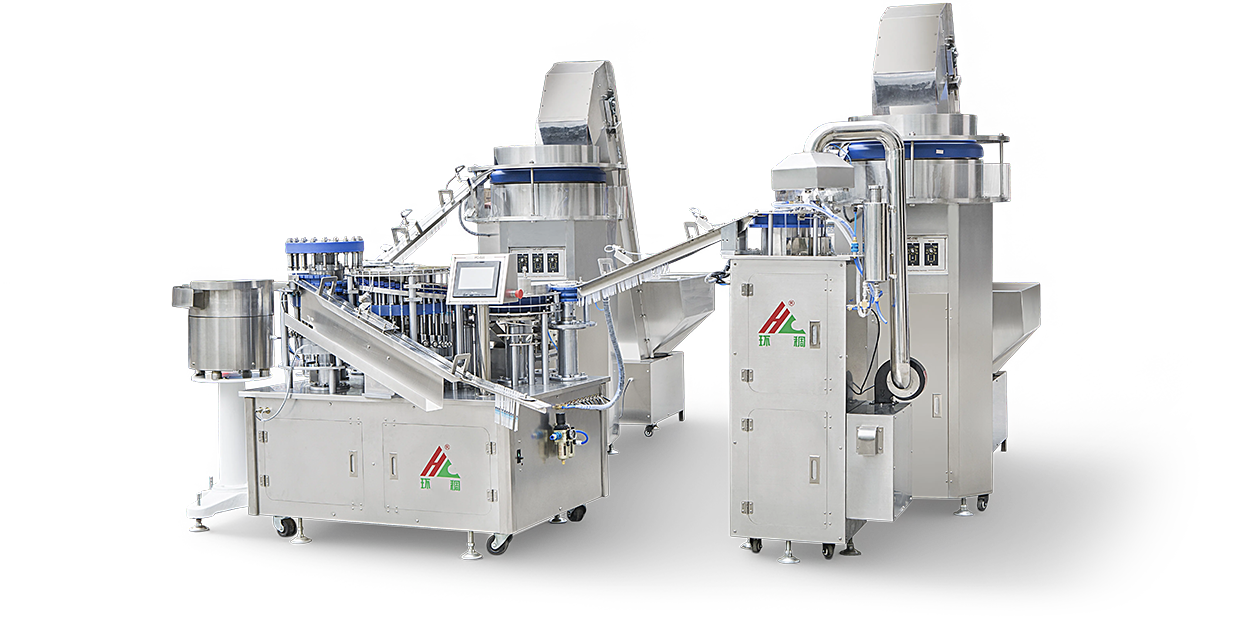
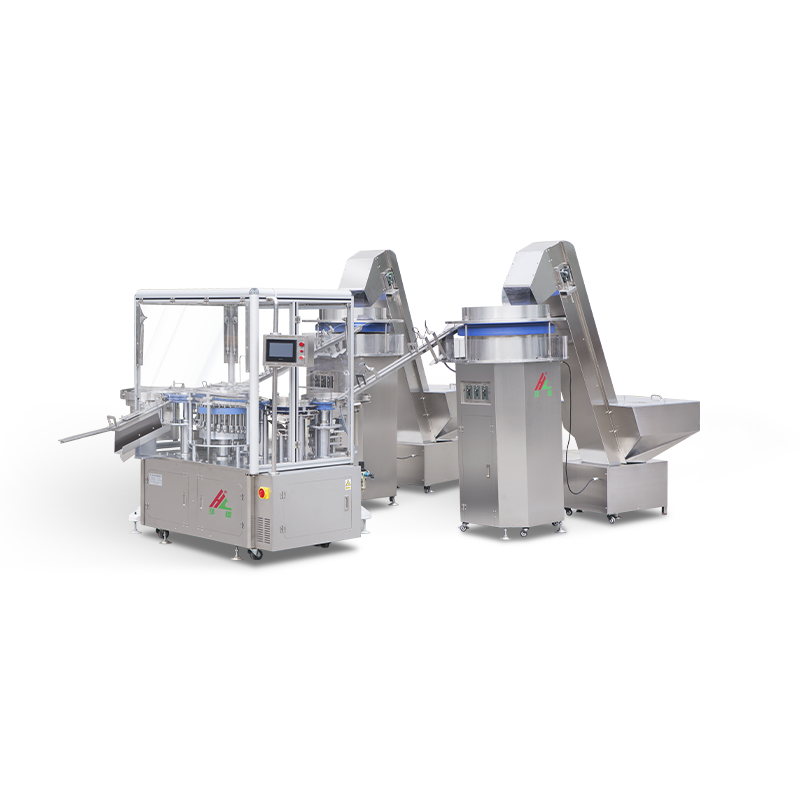
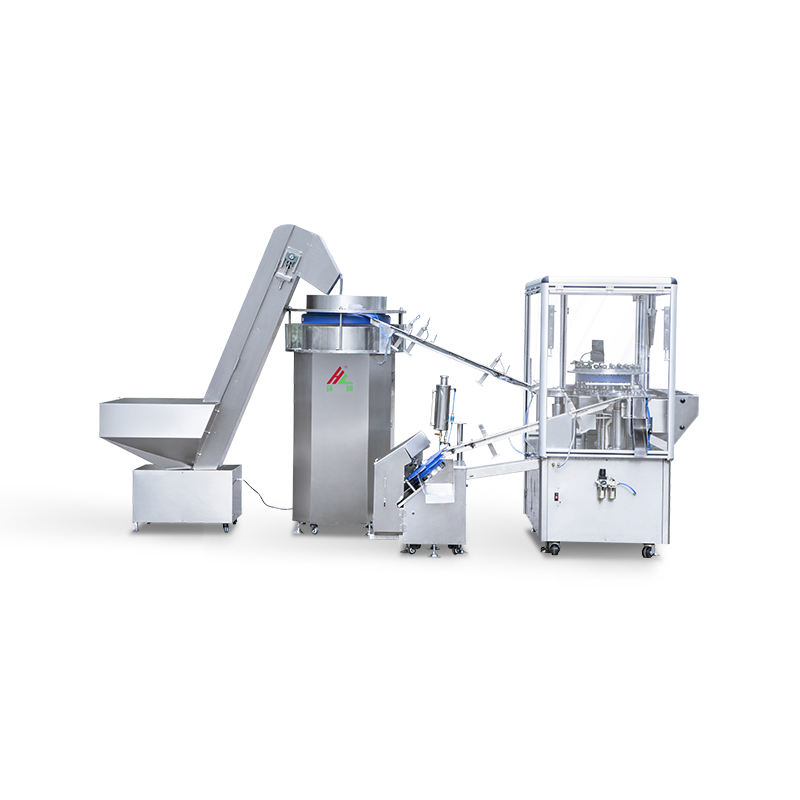
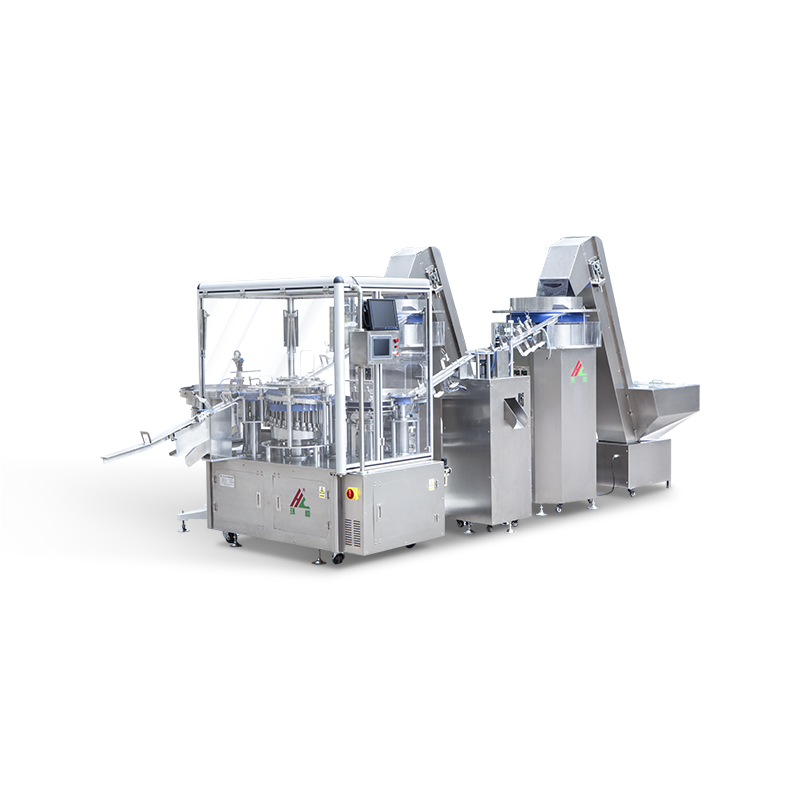
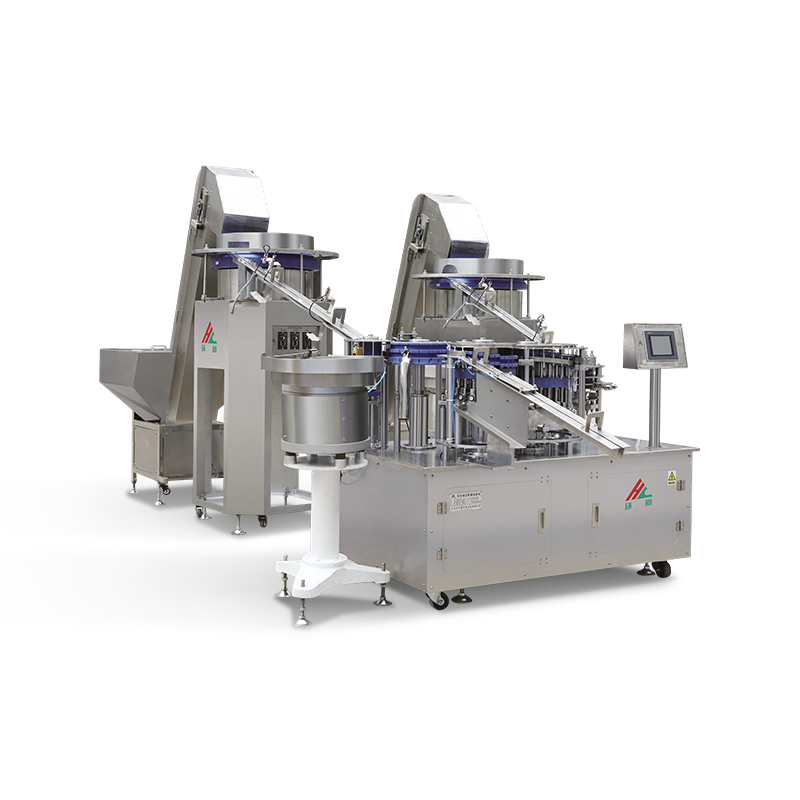
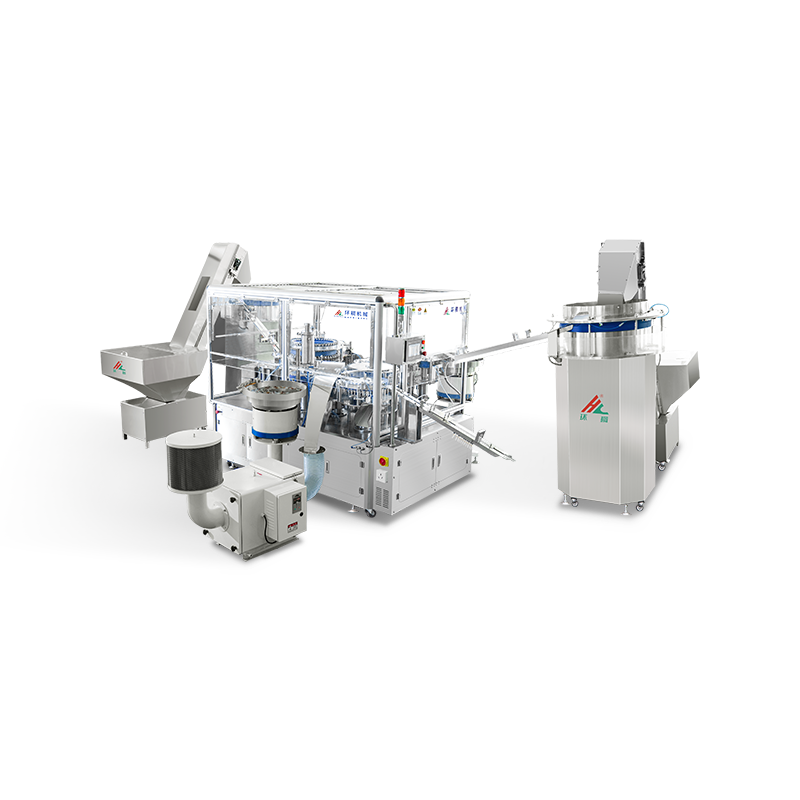
Syringe Assembly Machine with Oil Injection is a syringe assembly machine integrated with an automatic oil injection function. It can complete the automatic feeding and precision assembly of all syringe components, including syringe barrels, plungers, rubber stoppers, and needles. It supports various syringe types, including luer slip, luer lock, and eccentric tip syringes, and is suitable for the full range of products from 1ml to 60ml.
All components are automatically sorted through vibrating bowls and transferred into the assembly rotary table. The machine sequentially completes syringe barrel positioning, rubber stopper insertion, plunger rotary assembly, and needle pressing assembly, achieving fully automated operation throughout the entire process.
The machine integrates an automatic oil injection system, which can simultaneously spray silicone oil onto the inner wall of syringe barrels during the assembly process. The oil volume is precisely controlled with uniform atomization. After oil injection, the syringes automatically enter the assembly process, eliminating the need for an independent oil injection machine and saving production line space and process transfer time.
The machine adopts a Mitsubishi variable frequency speed control drive system, combined with microcomputer control and photoelectric sensors to monitor the material status of each station in real time. It supports automatic shutdown when materials are unavailable and automatic startup after material replenishment, ensuring continuous and stable operation.
The product-contact components are made of SUS304 stainless steel, MC nylon, and FDA-certified food-grade conveyor belts. The entire machine undergoes anti-corrosion and rust-prevention treatment. The welding joints and connections are smooth and flat, with an attractive appearance, preventing contamination of products and cleanroom environments.
Designed according to the special process requirements of cleanroom production, the machine can operate continuously for 24 hours under normal production conditions. The gear transmission system runs smoothly with low noise. The operation interface is simple and intuitive, making the equipment easy to operate.
Equipped with a safety protective cover, the machine activates an automatic stop protection function immediately when the cover is opened. It complies with CE safety certification standards and effectively ensures the safety of operators during equipment maintenance.
Technical Parameters
| Assemble Range | 1-2ml | 3-5ml | 10-20ml | 30ml | 50-60ml |
| Assemble Speed | 200-220pcs/min | 220-240pcs/min | 180-200pcs/min | 160-180pcs/min | 140-160pcs/min |
| Rated Volt | 220V/50HZ | ||||
| Equipment Size | 4326x3123x2150mm | ||||
| Power | 5kw | ||||
| Weight | 1440kg | ||||
| Air Pressure | 0.4-0.6MPa | ||||
Company
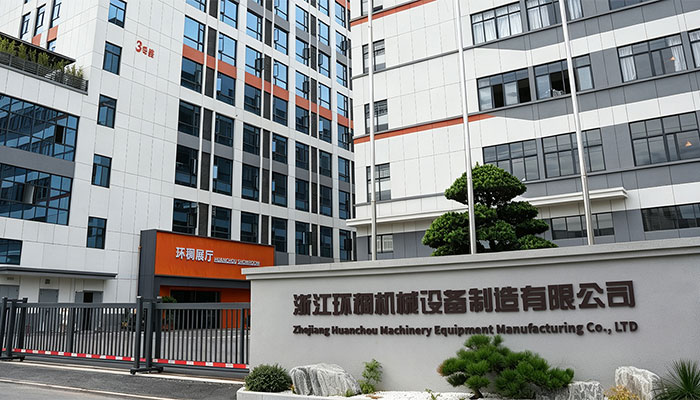
Zhejiang Huanchou Machinery Equipment Co.,Ltd.
Founded in 2008 and recognized as a National High-Tech Enterprise, Zhejiang Huanchou Mechanical Equipment Manufacturing Co., Ltd. specializes in R&D and manufacturing of automation equipment for disposable medical devices. Zhejiang Huanchou Mechanical Equipment Manufacturing Co., Ltd is a China Syringe Assembly Machine with Oil Injection Manufacturer and Syringe Assembly Machine with Oil Injection Supplier, our core products include automatic syringe assembly machines, self-destruct syringe assembly machines, automatic pad printing machines, and automatic syringe rolling printing machines.
With a dedicated R&D team of 23 professionals—nearly 40% of our total workforce—and ISO9001 certification, Huanchou serves clients across Europe, America, the Middle East, and Southeast Asia. Our new 23-mu manufacturing facility, designed to produce 1,000 syringe assembly line machines annually, is scheduled for full operation by the end of 2026, with an estimated annual output exceeding RMB 300 million.
Certificate Of Honor
News
-
-
A line that runs four syringe formats will lose more time to changeover than to running. Walk the floor at shift change and the pattern is familiar: the printing station sits idle waiting for format parts, the assembly station runs one product at full speed, ...
READ MORE -
A syringe line that runs three safety-cover variants, two prefilled formats, and a printed barrel for a different customer can lose more output during changeovers than during steady running. The practical fix is not simply a faster machine. It is a custom aut...
READ MORE
Message Feedback
Syringe Assembly Machine with Oil Injection Industry knowledge
Bolun Press has manufactured automation equipment for disposable medical devices since 2008: syringe assembly machines, pad and roller printing machines, combined printing-assembly lines, blister packaging machines and the machine components that keep them running. The HC-020-PY puts two operations that are normally separate onto one frame — metered silicone-oil application to the barrel inner wall and the complete mechanical assembly of barrel, rubber stopper, plunger and needle.
As a Syringe Assembly Machine with Oil Injection manufacturer, Bolun Press builds the oiling station into the assembly rotary table rather than supplying it as a bolt-on module. Lines that previously ran a separate oiling machine, a transfer buffer and an assembly machine now occupy one footprint and one control system.
HC-020-PY at a glance: 1–60 ml syringe formats · luer slip, luer lock and eccentric tip · 140–240 pcs/min by size band · Mitsubishi variable-frequency drive with microcomputer control · 5 kW, 220 V/50 Hz · 0.4–0.6 MPa air · 4326 × 3123 × 2150 mm · 1440 kg · CE safety design.
Oil Injection Inside the Assembly Cycle
Barrels, plungers, rubber stoppers and needles are sorted in dedicated vibrating bowls and transferred into the assembly rotary table. As each barrel indexes into position, the integrated oiling station sprays silicone oil onto the inner wall with uniform atomisation and a controlled dose, and the part continues directly into mechanical assembly. Removing the transfer between oiling and assembly removes the handling step where barrels pick up dust, lose orientation or wait in a buffer.
- Barrel positioning, rubber stopper insertion, plunger rotary assembly and needle pressing run in sequence at dedicated stations.
- Oil volume is set at the control panel; atomisation is matched to barrel diameter across the 1–60 ml range.
- Oiling and assembly share one drive train, so throughput on the line is a single figure rather than two machines to balance.
- Silicone oil grade and target dose per barrel are fixed at configuration, not adjusted by the operator between batches.
Capacity Across the Syringe Size Range
Assembly speed falls as syringe size rises, because larger barrels, plungers and stoppers need longer stroke and settling time at each station. The figures below are the rated bands for each format group we build.
| Assemble range | Assemble speed | Format note |
|---|---|---|
| 1–2 ml | 200–220 pcs/min | Smallest components; bowl tooling and rotary nests sized for short barrels and fine plungers. |
| 3–5 ml | 220–240 pcs/min | Highest output band of the platform. |
| 10–20 ml | 180–200 pcs/min | Longer oiling and stopper-insertion stroke per cycle. |
| 30 ml | 160–180 pcs/min | Wider barrels; nest geometry and spray coverage adjusted for bore. |
| 50–60 ml | 140–160 pcs/min | Largest format; longest plunger press and needle seating time. |
Material Path and Cleanroom Build
Every part that touches a syringe component is specified for medical production: SUS304 stainless steel, MC nylon for guidance and nest surfaces, and FDA-certified food-grade conveyor belting. The frame and guards receive anti-corrosion and rust-prevention treatment, and weld joints and connections are dressed smooth and flat so surfaces cannot trap residue or shed particles into the cleanroom.
- Gear transmission runs smoothly with low noise for shift-long operation.
- The machine is laid out for continuous 24-hour running under normal production conditions.
- Open, flat surfaces and dressed joints keep wipe-down cleaning and inspection straightforward.
Control System and Line Integration
Drive is a Mitsubishi variable-frequency speed control system working with microcomputer control logic. Photoelectric sensors watch the material status of each station in real time; when a bowl or track runs empty the machine stops automatically, and it restarts once the station is replenished, so an unattended shift does not produce partial or damaged assemblies.
The operating interface is kept deliberately simple so format changes and stop/start recovery do not depend on a specialist operator. We configure the electrical cabinet and machine interface around your plant supply — the standard build is 220 V/50 Hz with 5 kW installed power and 0.4–0.6 MPa compressed air.
Interfaces to confirm at order stage
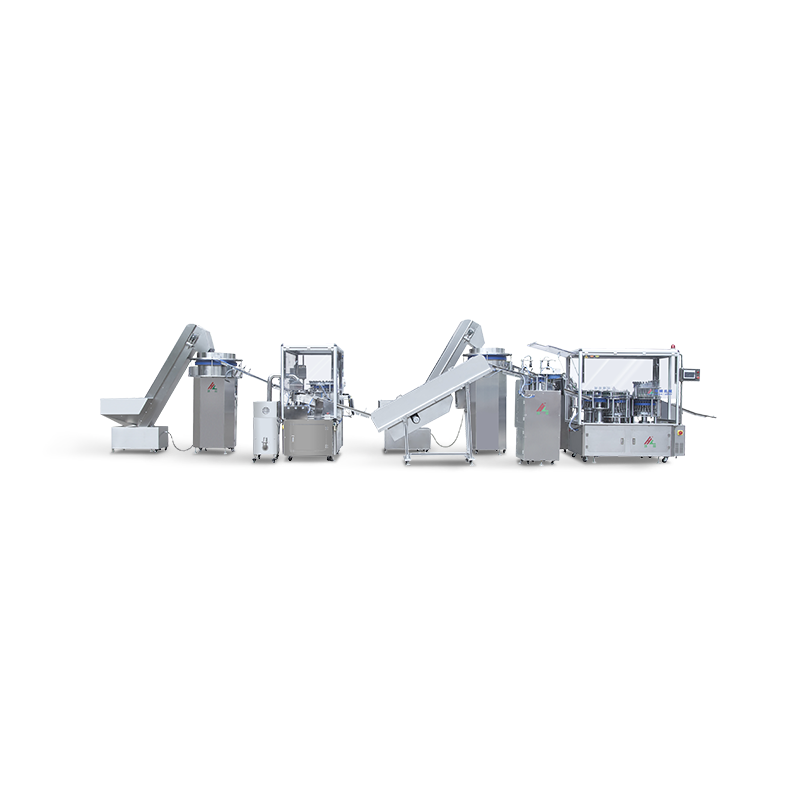
Upstream barrel supply and downstream collection or packaging are agreed with the layout. Where the machine is followed by printing or packaging, we align the outfeed height, buffer capacity and discharge direction with the adjacent unit so the line runs as one flow.
Safety Cover, Compliance and Acceptance
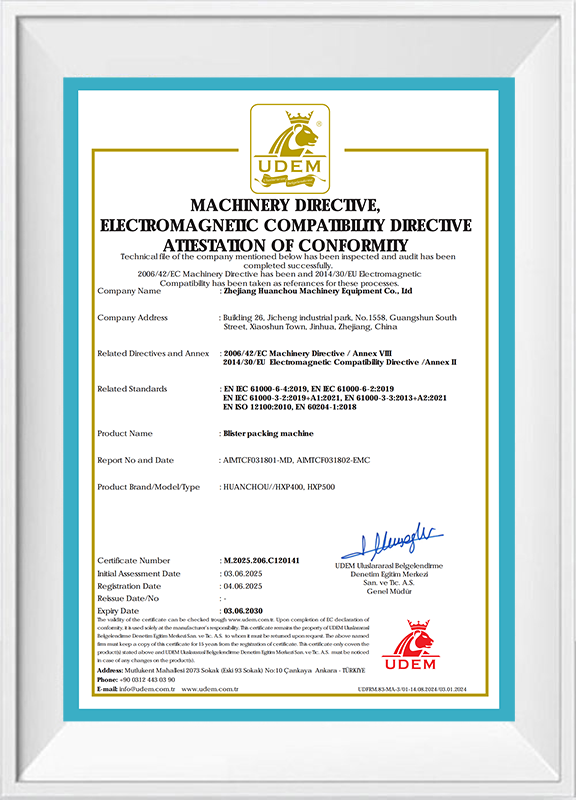
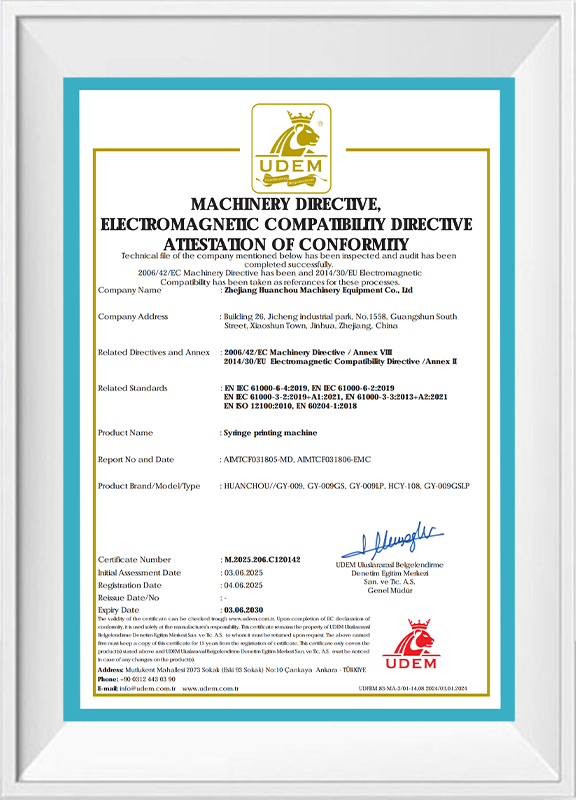
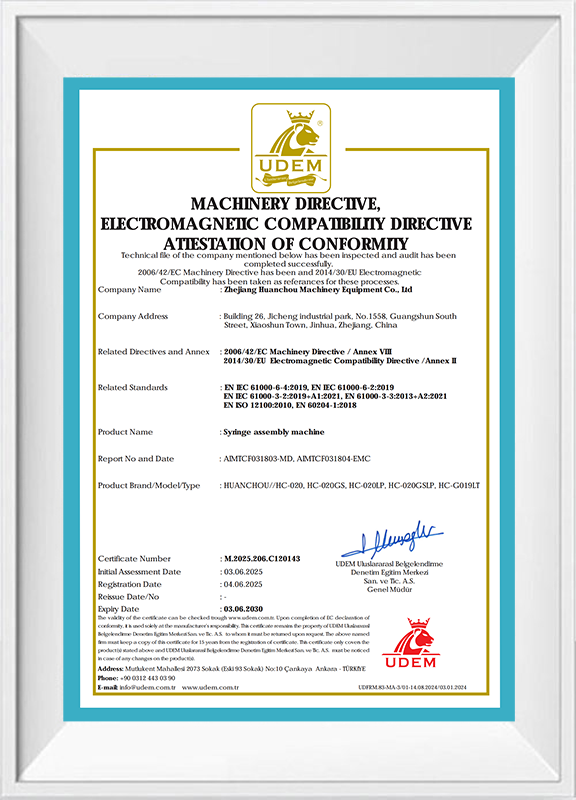
A safety protective cover encloses the working area and triggers an immediate automatic stop the moment it is opened, which protects operators during setup, cleaning and maintenance. The platform is designed to CE safety certification standards, and our quality system holds ISO9001 and CE certification covering syringe assembly machinery.
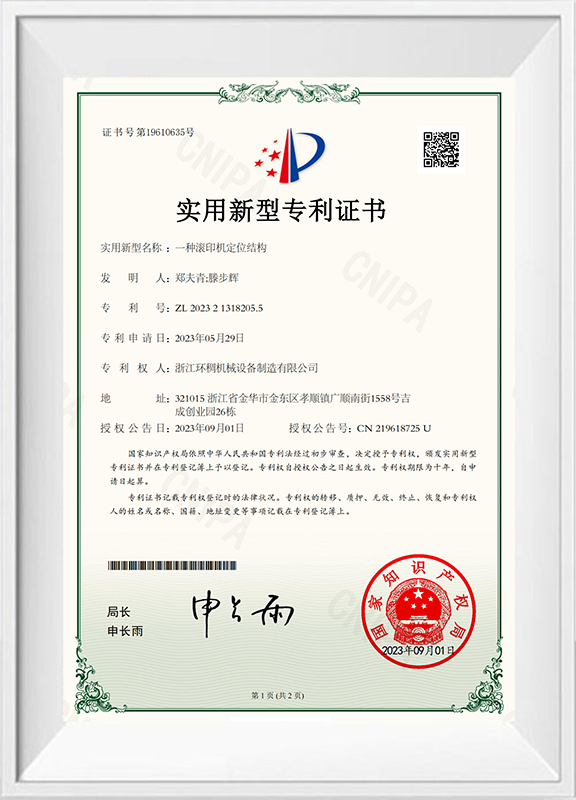
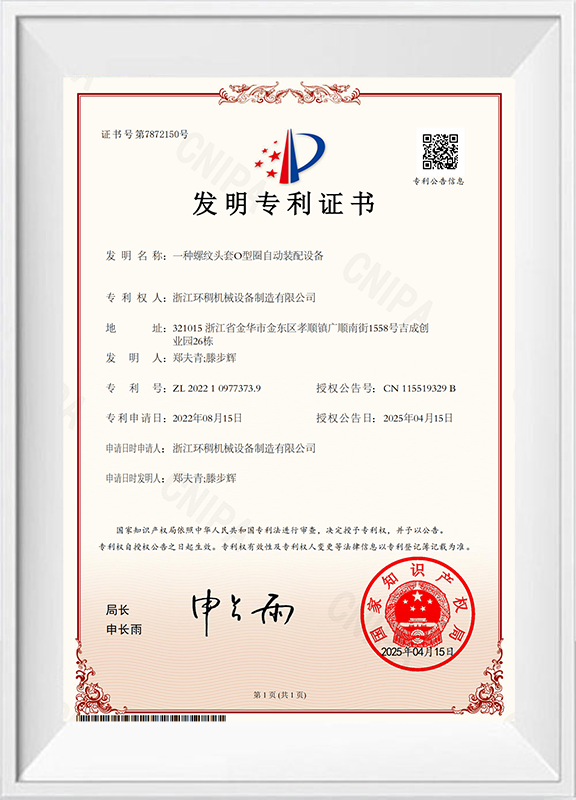
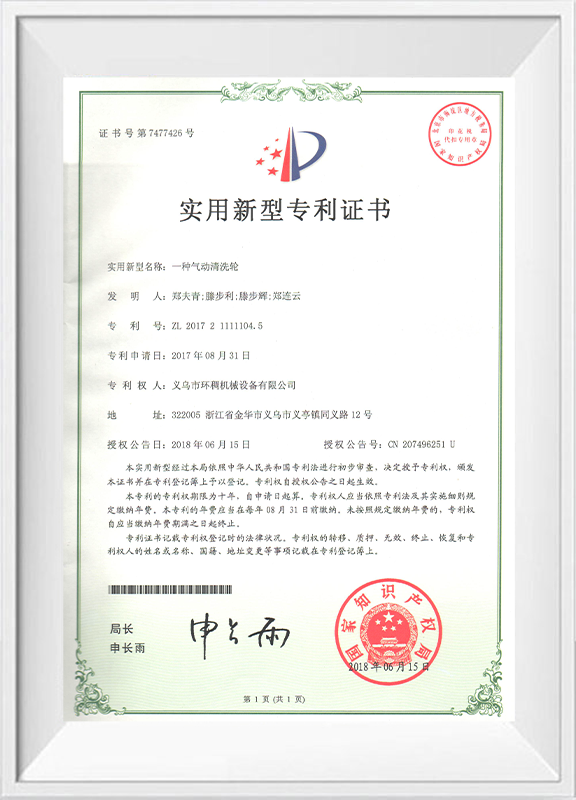
The oiling function is supported by our own patented development work, including an oil-spraying device for the syringe cylinder and an automatic oil-spraying machine with syringe flow control — both part of a patent portfolio that supports the assembly and printing platforms. Before shipment we run the machine on your components where samples are supplied, and acceptance is agreed against assembled syringe condition and the oil dose applied.
Where It Sits in Our Assembly Range
The HC-020-PY is one model within a wider assembly programme. As a Syringe Assembly Machines Manufacturer, we supply the standard HC-020 assembly machine, the HC-020-LP with safety cover, the HC-020-GSLP high-speed version, the pre-filled syringe assembly machine and combined printing-assembly platforms.
- Oil-free assembly: the standard HC-020 family where barrels are already lubricated or the product does not require oiling.
- Assembly plus printing: a Syringe Printing-Assembly Integrated Machine where scale printing and assembly are handled in one line.
- Verification: a syringe negative-pressure airtightness tester for leak checks on finished assemblies.
Information We Use to Configure Your Solution
The oiling station, bowl tooling and rotary nests are format-specific, so a proposal is built from the component drawing and the production target rather than from a catalogue number alone. These are the inputs that change the configuration.
| Project input | What it determines |
|---|---|
| Syringe format, tip type and nominal volume | Rotary nest geometry, bowl tooling, speed band and station sequence. |
| Barrel, plunger and stopper drawings with mould tolerances | Insertion depth, press stroke and the fit window the assembly runs inside. |
| Silicone oil grade and target dose per barrel | Spray nozzle selection, atomisation setting and dose control range. |
| Required output and shift pattern | Speed band selection, buffer sizing and whether a high-speed variant is appropriate. |
| Upstream and downstream equipment | Infeed and outfeed heights, discharge direction and interlock points. |
| Plant voltage, air supply and cleanroom class | Electrical build, pneumatics, surface finish and guarding details. |
Installation, Maintenance and Spare Parts
The machine is delivered on a single base frame, levelled and connected to power and compressed air on site, then run through format trials with your components. Operators and maintenance staff are trained on station access, bowl and nest changeover, spray nozzle cleaning and the sensor-based restart routine. Wear items — spray nozzles, guide blocks, conveyor belting and bowl tooling — are supplied from our components and accessories range, and remote technical support handles control faults between service visits.
We manufacture at our Jinhua works in Zhejiang, where production capacity is being expanded toward 1,000 syringe assembly line machines annually, and we ship to Europe, the Americas, the Middle East and Southeast Asia. Our engineering team of 23 works on assembly, printing and integrated line projects, which keeps machine modifications and line extensions inside the same technical group.
Frequently Asked Questions
Can one HC-020-PY handle several syringe sizes?
Each machine is built around a format group — 1–2 ml, 3–5 ml, 10–20 ml, 30 ml or 50–60 ml. Bowl tooling and rotary nests are matched to that group, so sizes within a band can be handled with changeover, while moving to a different band is normally a separate machine configuration.
How is the silicone oil dose controlled?
The oiling station atomises silicone oil and meters a set dose onto the barrel inner wall before assembly continues. Dose and atomisation are set during commissioning against your oil grade and barrel bore, then locked so batch-to-batch variation does not depend on operator judgement.
What happens when a feeding bowl runs empty?
Photoelectric sensors monitor material at each station. The machine stops automatically rather than assembling incomplete syringes, and restarts once components are replenished, which is what allows continuous running through long shifts.
Which syringe tip styles does the machine assemble?
Luer slip, luer lock and eccentric tip syringes are all supported across the 1–60 ml range, with the needle pressing station set according to the tip design on your drawing.
What documentation and certification come with the machine?
The assembly platform is designed to CE safety certification standards, and Bolun Press operates under ISO9001 quality system certification with CE certification held for syringe assembly machinery. Operating, maintenance and spare-parts documentation is issued with the machine, and acceptance is carried out against agreed assembled-sample condition and oil dose before shipment.
Can the machine be added to an existing syringe line?
Yes, provided the surrounding equipment is described at proposal stage. We agree infeed and outfeed heights, discharge direction and buffer capacity so the oiling-assembly unit connects to existing printing, inspection or packaging equipment without manual transfer.
 OEM/DOM Syringe Assembly Machine with Oil Injection Manufacturer
Copyright ©
Zhejiang Huanchou Machinery Equipment Co.,Ltd.
All Rights Reserved.