

 中文简体
Walk the length of a modern syringe line and the number that decides whether the shift is profitable is rarely the headline speed printed on the datasheet. It is the number of times a person has to reach into the process. Every reach-in is a chance for a drop...
READ MORE
HC-G019-LT
Syringe Printing-Assembly Machine

Introduction
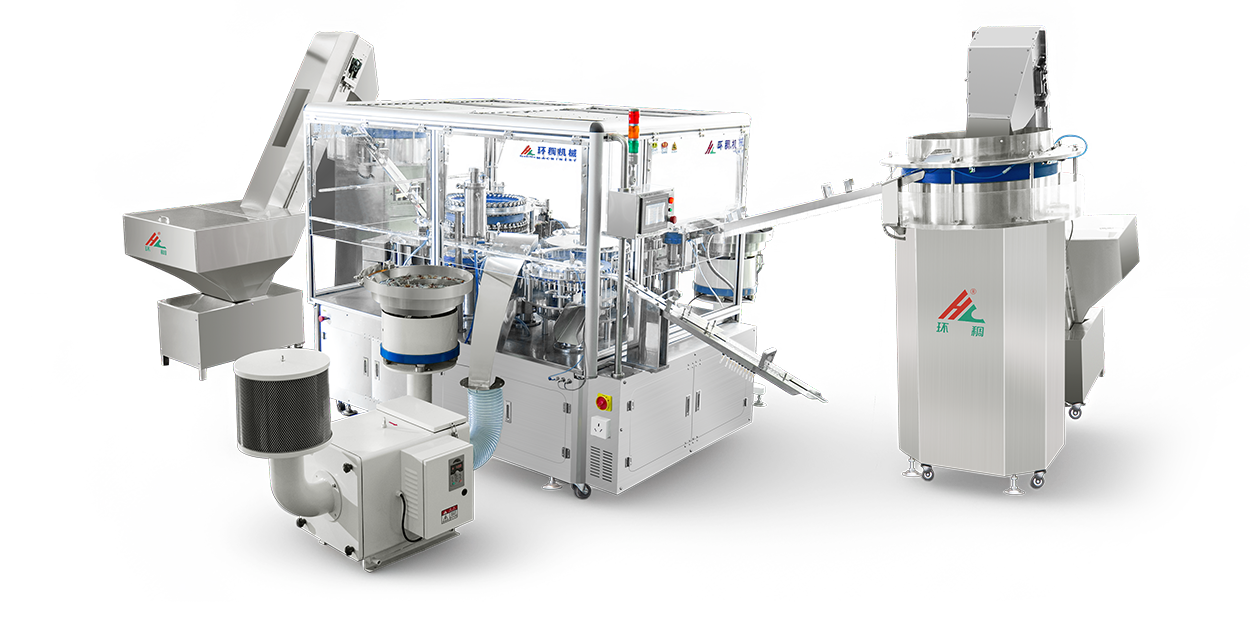
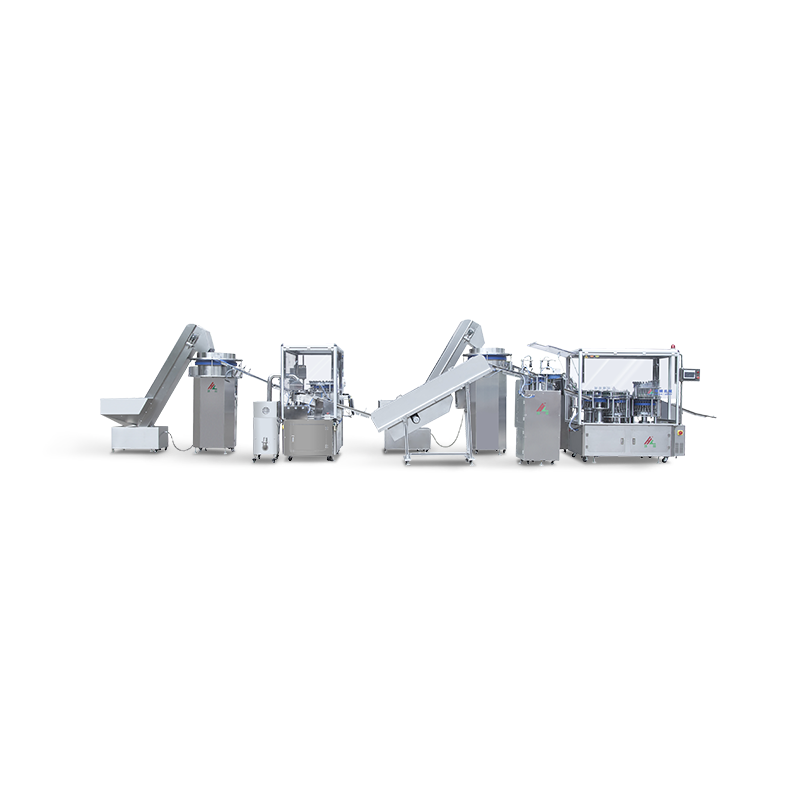
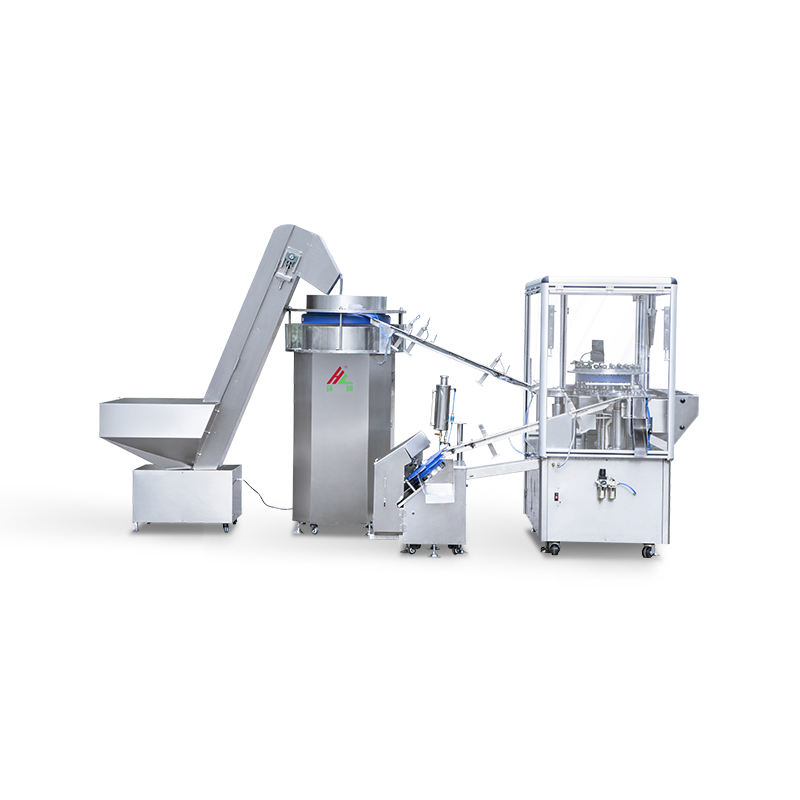
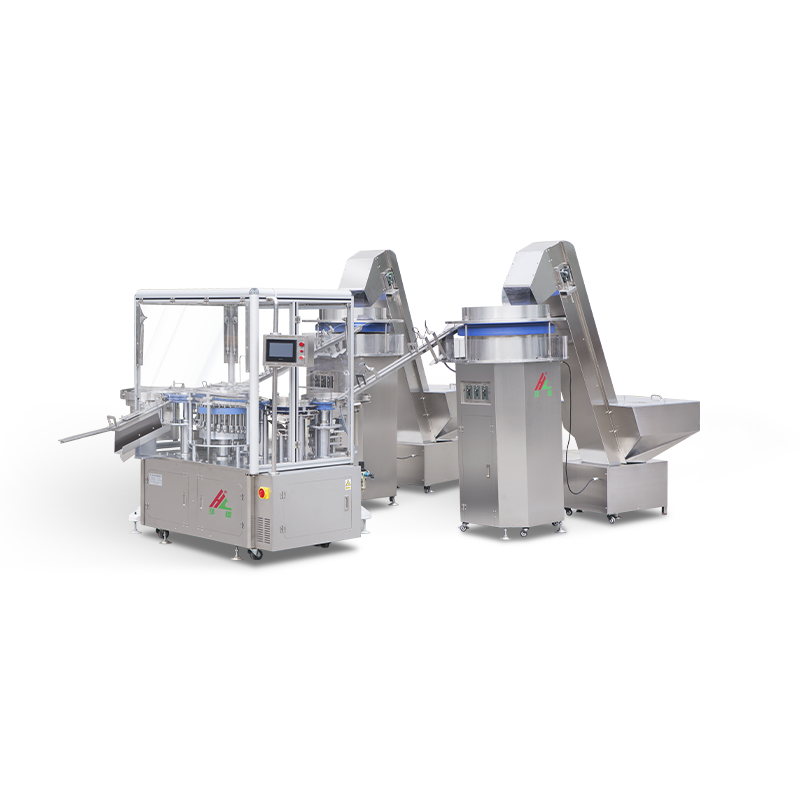
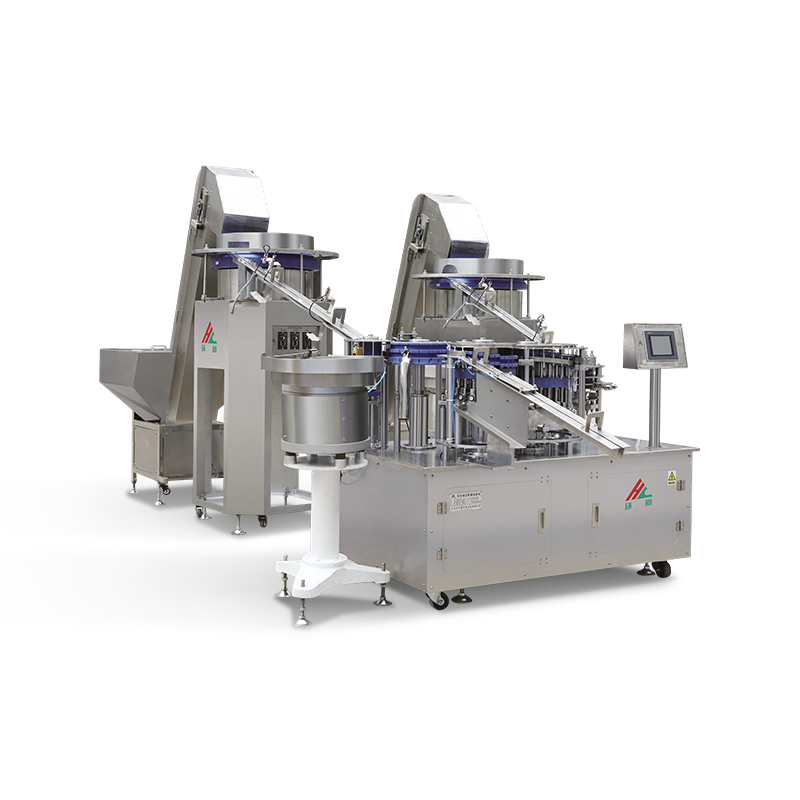
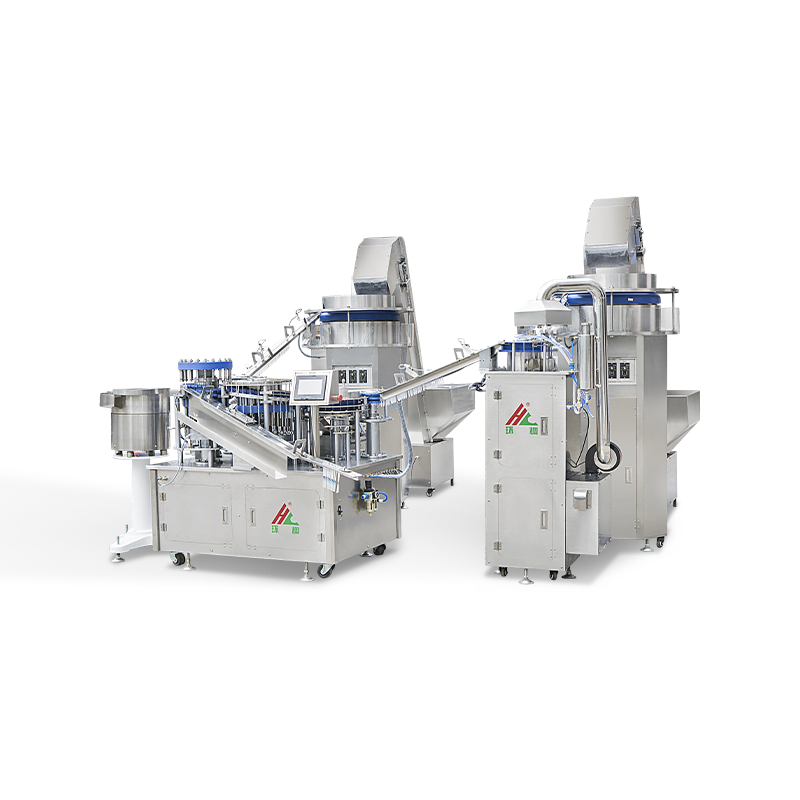
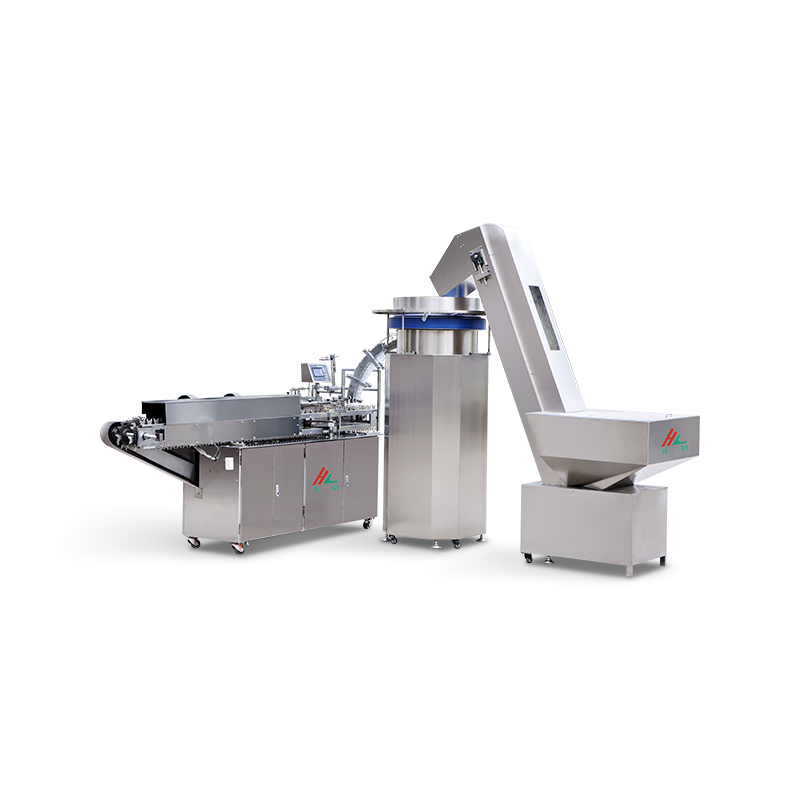
Syringe Printing-Assembly Machine can complete syringe printing and assembly processes on a single machine, including Luer slip, Luer lock, and eccentric tip syringes. It automatically performs feeding, printing, and assembly operations for all syringe components.
The machine is equipped with an automatic oil spraying system to spray silicone oil onto syringes. The ink operation system has been upgraded to a circulating system, which better solves the problems of ink waste and ink solidification.
Controlled by a PLC system, the machine automatically removes defective products such as syringes without rubber stoppers, without plungers, or without needles. A visual inspection system can be optionally equipped to minimize the probability of defective products.
The equipment requires less installation space, reduces the material transfer process, saves labor, and also reduces the risk of contamination.
Equipped with a safety protective cover, the machine activates an emergency stop function when the cover is opened, making equipment repair and maintenance safer.
Technical Parameters
| Assembly Range | 1ml | 2-3ml | 5ml | 10ml | 20ml | 50ml |
| Assembly Speed | 320-370pcs/min | 320-370pcs/min | 320-370pcs/min | 300-340pcs/min | 240-280pcs/min | 140-180pcs/min |
| Rated Volt | 220V/50HZ | |||||
| Equipment Size | 6600x2570x2250mm | |||||
| Power | 9kw | |||||
| Weight | 2000kg | |||||
| Air Pressure | 0.4-0.6MPa | |||||
Company
Zhejiang Huanchou Machinery Equipment Co.,Ltd.
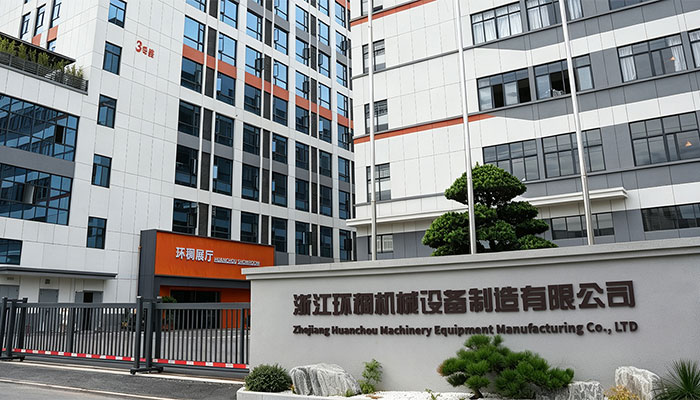
Founded in 2008 and recognized as a National High-Tech Enterprise, Zhejiang Huanchou Mechanical Equipment Manufacturing Co., Ltd. specializes in R&D and manufacturing of automation equipment for disposable medical devices. Zhejiang Huanchou Mechanical Equipment Manufacturing Co., Ltd is a China Syringe Printing-Assembly Machine Manufacturer and Syringe Printing-Assembly Machine Supplier, our core products include automatic syringe assembly machines, self-destruct syringe assembly machines, automatic pad printing machines, and automatic syringe rolling printing machines.
With a dedicated R&D team of 23 professionals—nearly 40% of our total workforce—and ISO9001 certification, Huanchou serves clients across Europe, America, the Middle East, and Southeast Asia. Our new 23-mu manufacturing facility, designed to produce 1,000 syringe assembly line machines annually, is scheduled for full operation by the end of 2026, with an estimated annual output exceeding RMB 300 million.
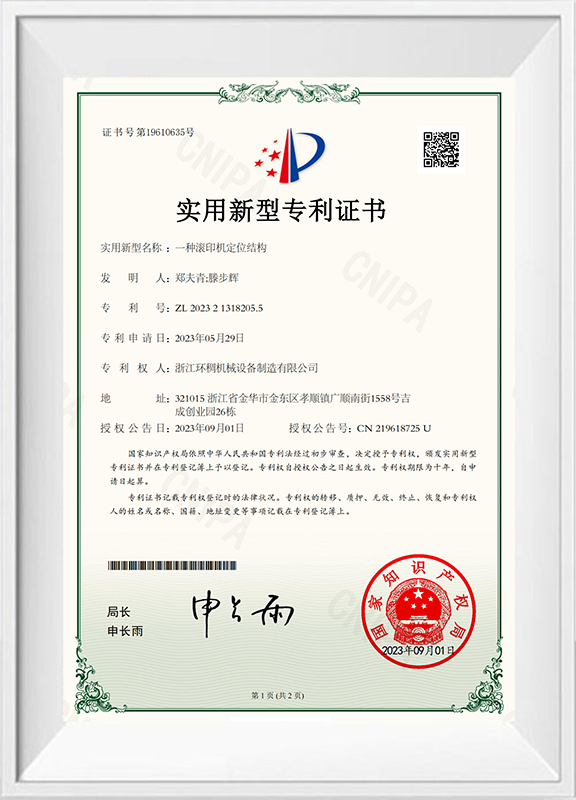
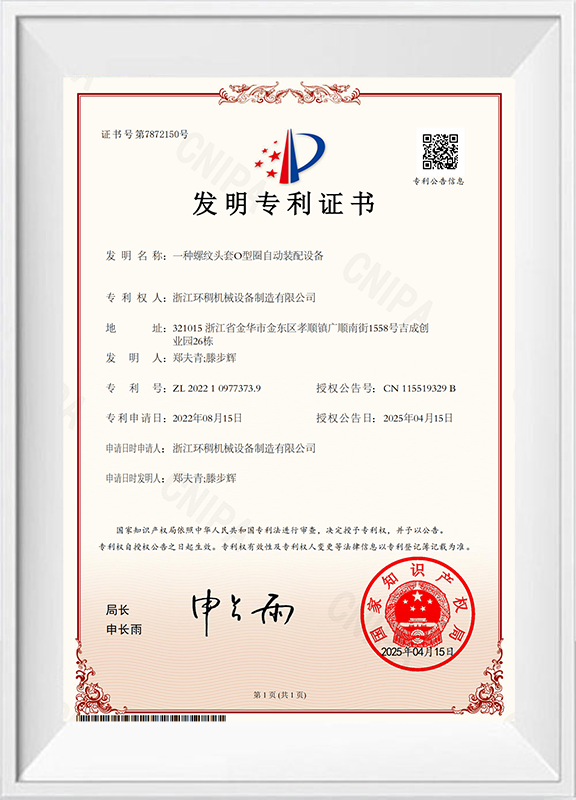
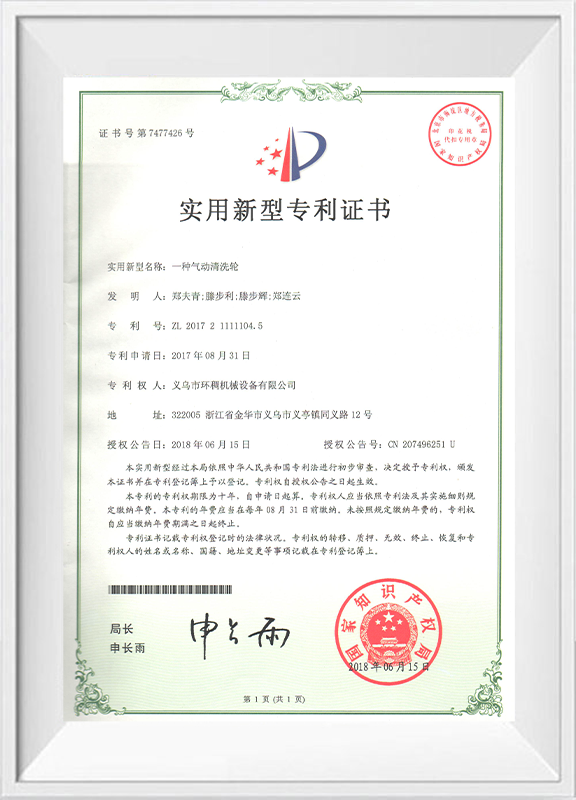
Certificate Of Honor
News
-
-
A line that runs four syringe formats will lose more time to changeover than to running. Walk the floor at shift change and the pattern is familiar: the printing station sits idle waiting for format parts, the assembly station runs one product at full speed, ...
READ MORE -
A syringe line that runs three safety-cover variants, two prefilled formats, and a printed barrel for a different customer can lose more output during changeovers than during steady running. The practical fix is not simply a faster machine. It is a custom aut...
READ MORE
Message Feedback
Syringe Printing-Assembly Machine Industry knowledge
Bolun Press designs and builds automated printing and assembly equipment for disposable syringe production. The HC-G019-LT Syringe Printing-Assembly Machine prints the barrel and then completes component assembly on the same frame, so 1 ml to 50 ml Luer slip, Luer lock and eccentric tip syringes leave one machine instead of two.
As a Syringe Printing-Assembly Machine manufacturer in China, we supply the platform as a standalone unit or as the centre of a line built from our printing machines, assembly machines and blister packaging equipment. Feeder tooling, print fixtures and reject logic are configured around the syringe drawing supplied for the project.
Printing and Assembly on One Frame
Barrels are fed from the hopper, oriented onto the transport and presented to the printing station, where graduation lines, capacity marks, logo and batch data are applied. The same transfer then carries each barrel through the assembly stations for the rubber stopper, plunger rod, needle hub and cap, with no re-feeding between processes.
Keeping both operations on one frame removes a buffer, a second infeed and the manual handling between them, which is where floor space, labour and contamination risk accumulate on split lines.
- Automatic feeding, printing and assembly of all syringe components in one sequence
- Luer slip, Luer lock and eccentric tip formats handled through tooling changeover
- Silicone oil spraying integrated ahead of stopper insertion
- PLC-controlled rejection of incomplete syringes at discharge
- Optional visual inspection system for additional defect screening
- Interlocked safety cover with emergency stop on opening
Syringe Sizes, Rated Output and Setup Focus
Output falls as barrel size rises, because longer barrels need longer indexing and insertion strokes. The figures below are the machine's rated working range; realised output depends on component consistency, print coverage and the inspection settings agreed for the line.
| Syringe size | Rated output | Typical application | Setup focus |
|---|---|---|---|
| 1 ml | 320–370 pcs/min | Insulin and low-dose injection | Thin barrel walls, light plunger force |
| 2–3 ml | 320–370 pcs/min | Routine immunisation and dosing | Stopper seating and scale registration |
| 5 ml | 320–370 pcs/min | General-purpose syringe | Print pad wear, feeder track condition |
| 10 ml | 300–340 pcs/min | Fluid and flush syringes | Longer index stroke, oil spray volume |
| 20 ml | 240–280 pcs/min | Irrigation and irrigation-type feeding | Barrel rigidity, plunger alignment |
| 50 ml | 140–180 pcs/min | Large-volume and catheter-tip work | Cycle timing, fixture support of the barrel |
Printing Station: Circulating Ink and Scale Registration
Ink is circulated through the system rather than held in a static reservoir. Keeping the ink in motion addresses the failures that stop a barrel printer mid-shift: pigment settling, ink solidifying on the steel roller and waste at the end of a batch.
Registration is taken from the barrel's own reference features, so the graduation sits consistently relative to the finger flange rather than drifting across the run. Barrel surface preparation is handled within our printing range where ink adhesion needs support.
- Steel roller and doctor blade metering with a circulating ink circuit
- Corona discharge and dust removal units available for PP barrel surfaces
- Print content configured for graduation lines, capacity marks, logo and batch data
- Inspection options for graduation position and print presence
Assembly Stations and Silicone Oil Application
Silicone oil is sprayed into the barrel before the stopper is inserted, setting the glide force of the plunger and helping the stopper seat without rolling or tearing. Spray volume and timing are set per syringe size and checked against the break-loose and glide values your specification calls for.
- Rubber stopper insertion followed by plunger rod assembly
- Needle hub and needle assembly for needle-based formats; cap fitting at the final station
- Oil-spray parameters held with the size changeover settings
- Containment of overspray around the spray zone to keep the assembly area clean
Rejection Logic, PLC Control and Line Interfaces
The PLC tracks each part through the machine and discharges syringes without a rubber stopper, without a plunger or without a needle, rather than passing them to the packing line. An optional visual inspection system extends this screening to print and component presence checks where the quality plan requires it.
Interface signals are defined during order review so the machine can sit between your existing barrel supply and a downstream packer, including our blister packaging equipment, without manual transfer.
- Reject confirmation and part counting at discharge
- Handshake signals for upstream and downstream equipment
- Changeover parameters and tooling set documented for each syringe size
- Optional vision system integrated into the same reject path
Site Preparation, Utilities and Operator Safety
The machine is prepared for a single-point installation with the utilities confirmed against your site drawing before shipment.
| Parameter | Requirement |
|---|---|
| Rated voltage | 220 V / 50 Hz |
| Connected power | 9 kW |
| Compressed air | 0.4–0.6 MPa, dry and oil-free |
| Equipment dimensions | 6600 × 2570 × 2250 mm |
| Weight | 2000 kg |
| Safety | Safety cover with interlock and emergency stop on opening |
Quality Control and Factory Acceptance
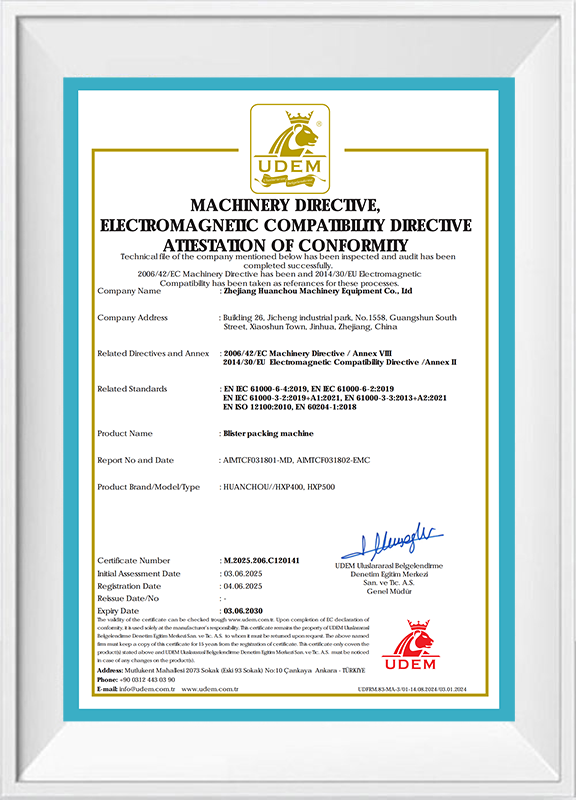
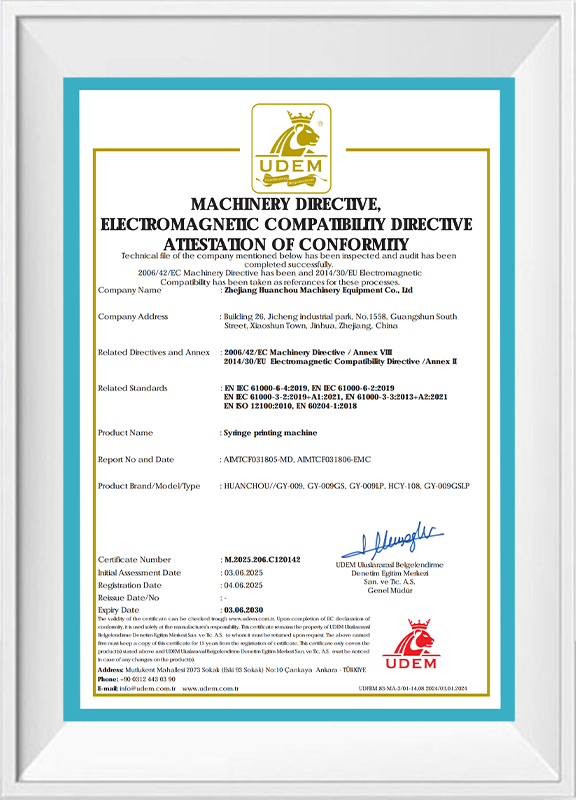
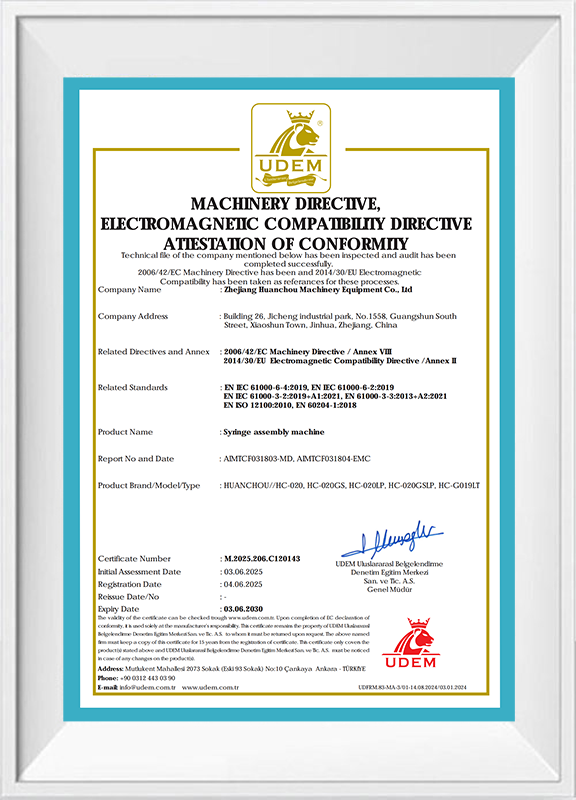
Bolun Press has built disposable-medical-device automation since 2008 and works to an ISO 9001 quality system, with CE certification held for syringe printing and syringe assembly machines. Machining, assembly and electrical build are carried out in our own workshops before run-off.
- Incoming gauging of critical machined parts and purchased components
- Station-by-station inspection through mechanical and electrical assembly
- Run-off before dispatch, with acceptance trials run on customer components where supplied
- Documentation package covering arrangement drawings, spare parts list and operating instructions
- Installation, operator training and remote technical assistance after commissioning
Our Range Around the HC-G019-LT
Syringe Printing Machines
GY-009 roller and pad printing platforms, including safety-cover and high-speed variants, for plants that already assemble elsewhere.
Syringe Assembly Machines
Syringe Assembly Machines Manufacturer range covering HC-020 models with safety cover, high-speed and oil-injection versions, plus pre-filled syringe assembly.
Integrated Printing and Assembly
The Syringe Printing-Assembly Integrated Machine is the alternative layout for projects that require a different line arrangement or output balance.
Downstream and Consumables
Blister packing machines complete the packed-syringe flow, while our Syringe Machine Components & Accessories Manufacturer line supplies pads, rollers, embossing seals, airtightness testers and screen printing equipment.
Information We Use to Configure Your Solution
A workable proposal for the HC-G019-LT is built from the syringe itself, not from a size name alone. The following inputs let us fix tooling, station layout and control settings before the order is released.
- Syringe drawing with barrel, stopper, plunger and cap dimensions and tolerances
- Tip format: Luer slip, Luer lock or eccentric tip, and whether a needle is fitted
- Barrel and component materials, including PP grade and any surface treatment
- Print content: graduation range, scale spacing, colours, logo and batch marking position
- Target output per shift and the required reject criteria
- Whether a visual inspection system is required for the quality plan
- Upstream and downstream equipment, buffer capacity and interface signals
- Site supply voltage, compressed-air quality and available floor area
- Documentation language and the operator training scope required at commissioning
Maintenance, Spares and Operator Support
Wear is concentrated in a small number of parts, and the machine is laid out so those parts can be reached without dismantling the transport. Print pads, doctor blades, rubber rollers, feeder tracks and fixture inserts are the routine items, with spray nozzles and filters on the oil circuit.
- Daily checks for pad edges, feeder track condition and spray pattern
- Spare parts kits quoted with the machine so critical items are held on site
- Size changeover sequence documented for each syringe format
- Remote assistance for fault finding, supported by on-site commissioning and training
Frequently Asked Questions
Which syringe sizes and tip styles can the HC-G019-LT run?
The machine is built for 1 ml, 2–3 ml, 5 ml, 10 ml, 20 ml and 50 ml syringes in Luer slip, Luer lock and eccentric tip configurations. Each format uses its own feeder and fixture set, so a plant running several sizes is quoted with the changeover parts it needs.
What output can we expect at 5 ml and at 50 ml?
Rated output is 320–370 pcs/min up to 5 ml, 300–340 pcs/min at 10 ml, 240–280 pcs/min at 20 ml and 140–180 pcs/min at 50 ml. Actual sustained output depends on component quality, print coverage and the reject threshold applied.
How does the machine handle incomplete syringes?
The PLC tracks each part and discharges syringes missing a rubber stopper, a plunger or a needle at the reject station. A visual inspection system can be added where print presence or graduation position also needs automatic screening.
What utilities and floor space does installation require?
The machine needs 220 V / 50 Hz supply, 9 kW connected power and compressed air at 0.4–0.6 MPa, dry and oil-free. The footprint is 6600 × 2570 × 2250 mm at a weight of 2000 kg, and clearance for barrel supply and discharge still has to be added around that envelope.
How is the printing station kept stable through a long run?
Ink circulates continuously instead of sitting in a reservoir, which limits pigment settling, ink solidification on the roller and waste at batch end. Pad condition and doctor-blade setting remain the routine checks, and both are covered in operator training.
Can the machine be connected to our existing line?
Yes. Interface signals are agreed during order review so the unit can sit between an existing barrel supply and a downstream packer, including our own blister packaging machines. The line arrangement, buffer positions and handshake logic are fixed before the machine is built.

 OEM/DOM Syringe Printing-Assembly Machine Manufacturer
Copyright ©
Zhejiang Huanchou Machinery Equipment Co.,Ltd.
All Rights Reserved.