

 中文简体
Walk the length of a modern syringe line and the number that decides whether the shift is profitable is rarely the headline speed printed on the datasheet. It is the number of times a person has to reach into the process. Every reach-in is a chance for a drop...
READ MORE
Home / Product / Syringe Machine Components & Accessories / Fully automatic fuel injector spray testing machine
HC-P024
Fully automatic fuel injector spray testing machine
Introduction
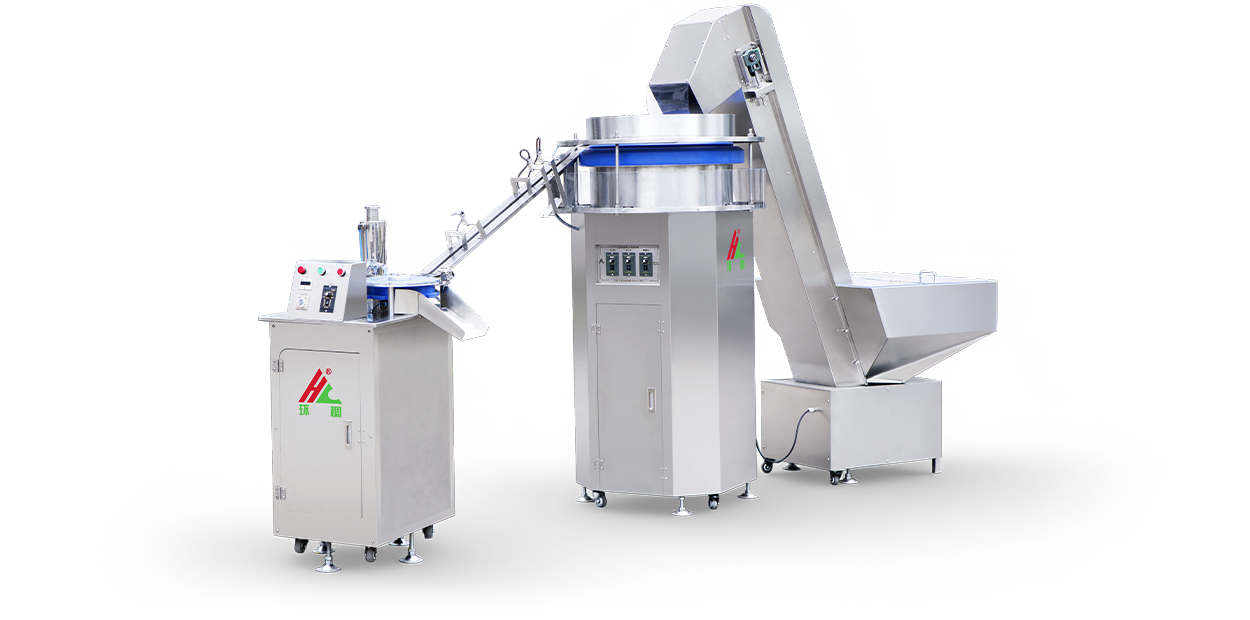
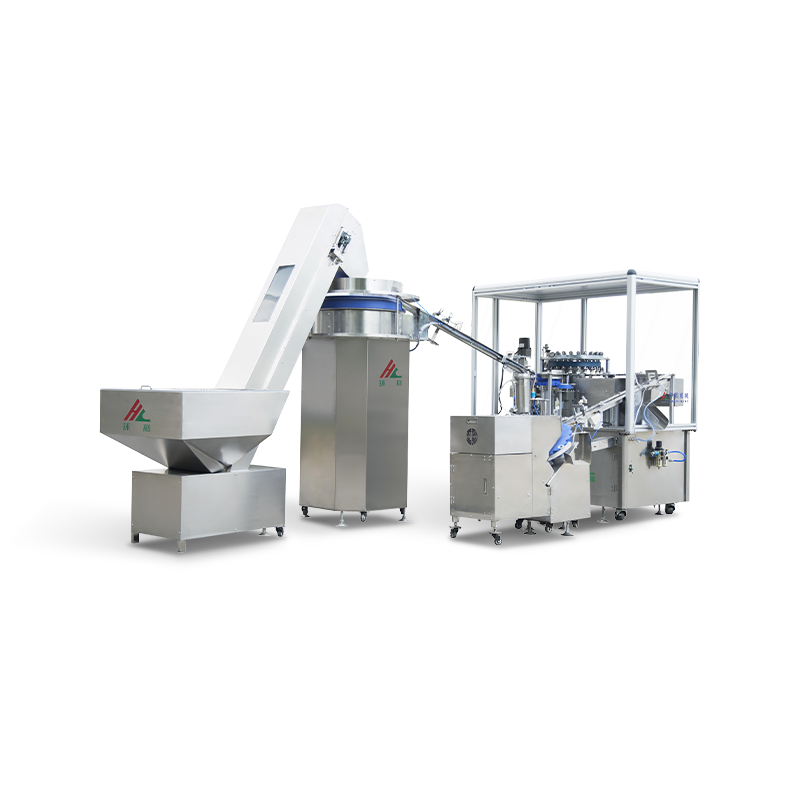
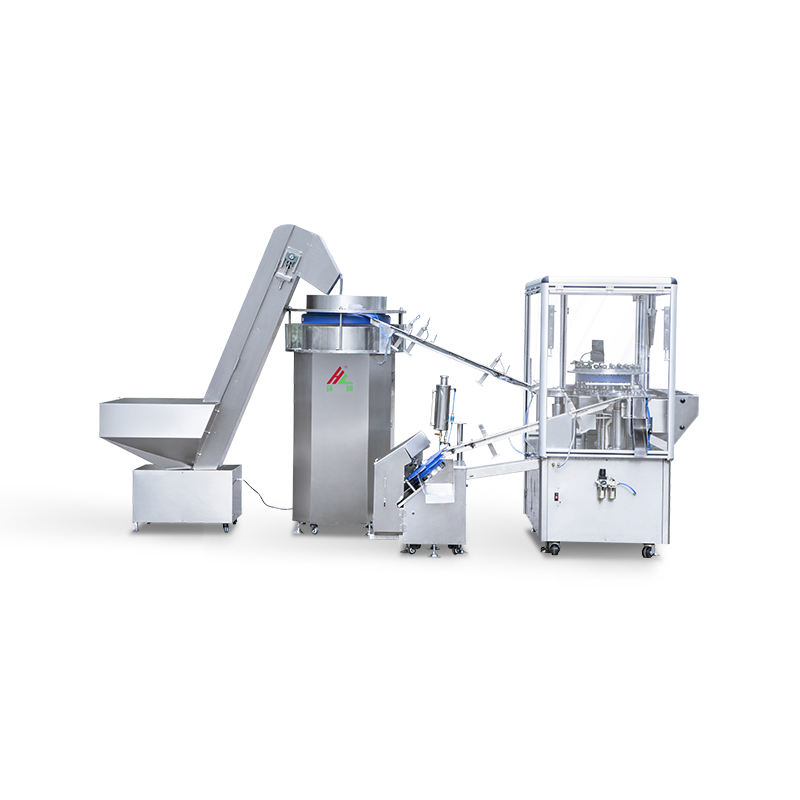
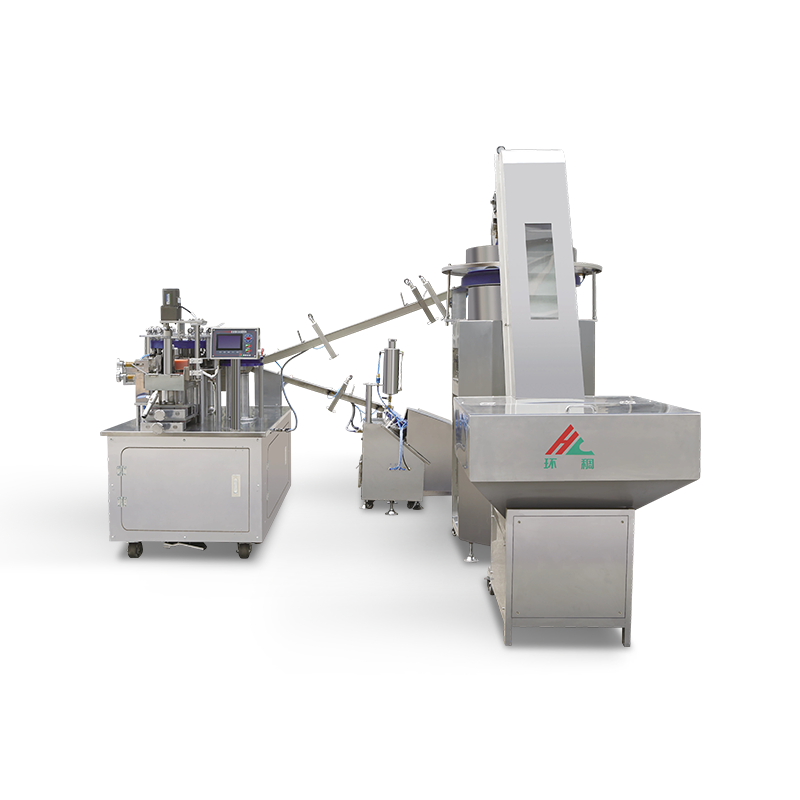
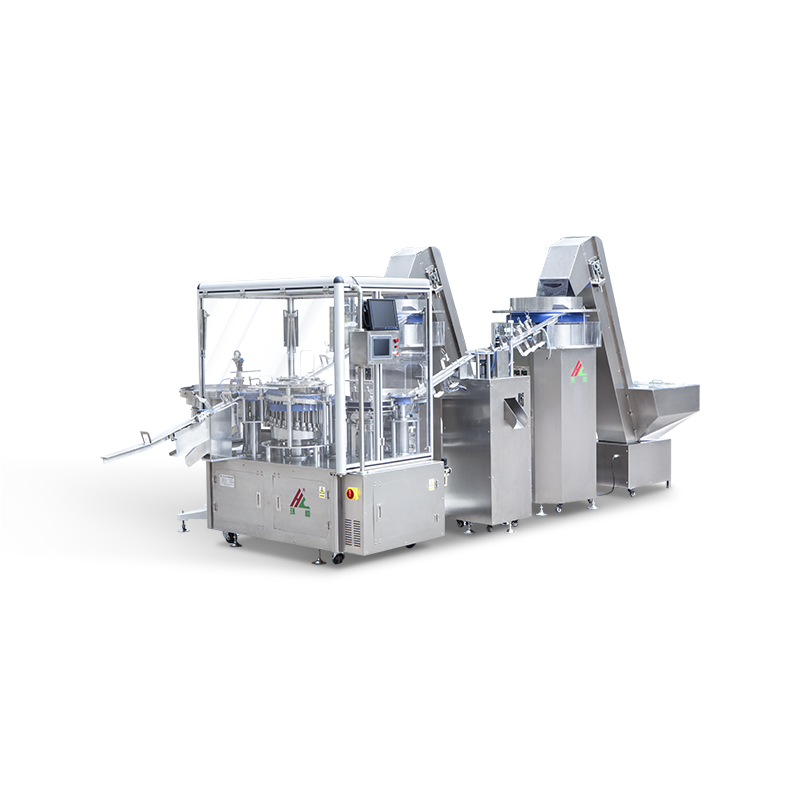
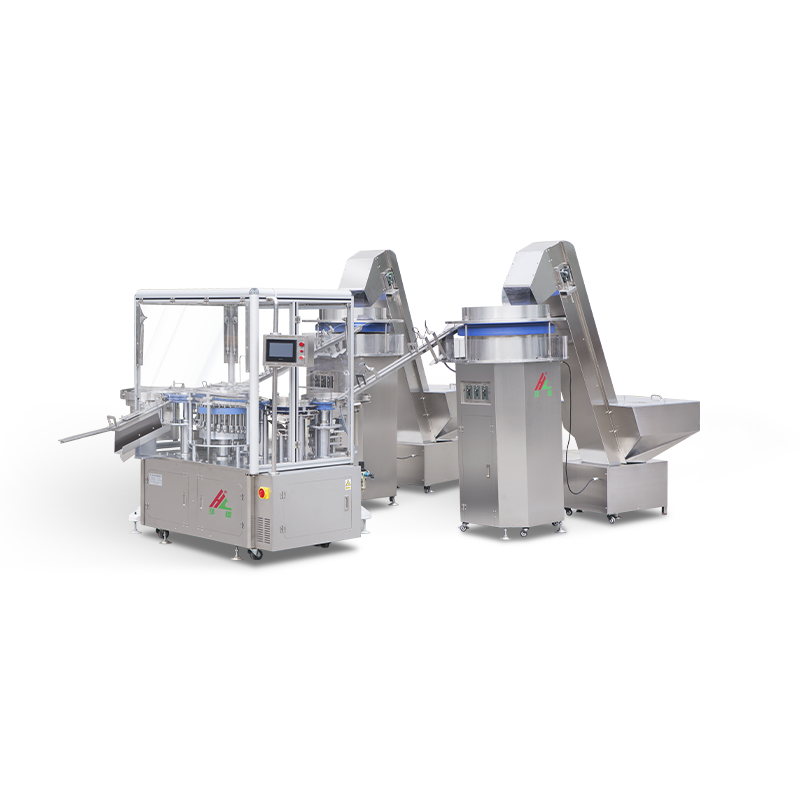
The fully automatic fuel injector spray testing machine HC-P024 is an automatic silicone oil spraying machine developed by Huanchou Machinery specifically for disposable medical syringe production lines. It is mainly used to apply a uniform and controlled amount of silicone oil to the inner wall of syringe barrels and the surface of plungers. The silicone oil coating helps improve lubrication performance, reduce friction between the plunger and the inner wall of the barrel, and provide smoother plunger movement during syringe use.
The machine adopts an atomized spraying system combining precision spray nozzles with a pressure adjustment system. The fine and uniform spray helps reduce localized oil accumulation and missed spraying, maintaining consistent lubrication performance for each syringe. Uniform oil spraying can also help reduce product defects such as plunger sticking and excessive resistance caused by uneven lubrication.
In terms of structural design, the machine can be used as a standalone unit or connected with other syringe production equipment, such as syringe printing machines and assembly machines. Photoelectric sensors monitor the material status in real time. The machine can automatically stop when there is no material and automatically restart after material is replenished, allowing smooth integration with upstream and downstream processes. This helps reduce manual handling and material transfer while improving the overall automation level of the production line.
The product-contact parts of the machine are made of stainless steel and food-grade materials, meeting the cleanliness and contamination-control requirements of medical device production. The machine can operate continuously and stably for 24 hours in a cleanroom environment.
The Fully Automatic Syringe Oil Spraying Machine is widely used in the production of various medical syringes, including disposable sterile syringes, vaccine syringes, and insulin syringes. It is particularly suitable for medium- and high-end syringe production lines where smooth plunger movement is an important requirement.
During operation, the operator only needs to set the corresponding oil spraying parameters on the touchscreen, such as spraying time, atomization pressure, and spraying position. The machine can then automatically complete the entire process of feeding, positioning, spraying, and unloading without manual operation of individual syringes. This improves production efficiency and helps reduce quality variations caused by inconsistent manual operation, making it a useful automated module for syringe production lines.
For daily maintenance, it is recommended to regularly check the spray nozzles for blockage and ensure that the oil circuit remains unobstructed. The filtration system should be cleaned as needed according to changes in silicone oil viscosity to maintain stable atomization performance and help extend the service life of the machine.
Technical Parameters
| Producing Range | 1-2ml | 3-5ml | 10-20ml | 30ml | 50ml/60ml |
| Producing Speed | 220pcs/min | 260pcs/min | 220pcs/min | 160pcs/min | 140pcs/min |
| Rated Volt | 220V/50HZ | ||||
| Product Size | 3600x1050x2150mm | ||||
| Power | 1kw | ||||
| Weight | 300kg | ||||
Company
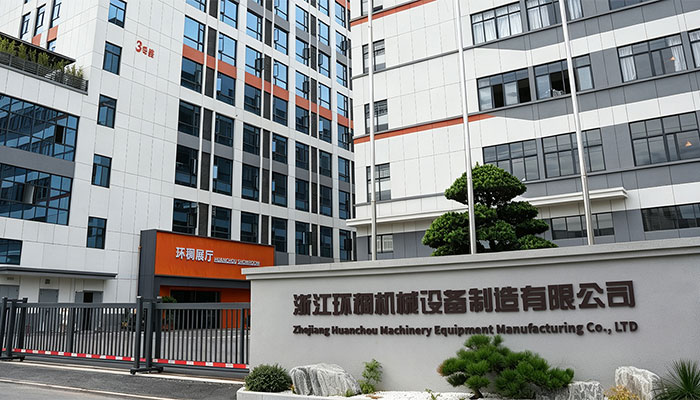
Zhejiang Huanchou Machinery Equipment Co.,Ltd.
Founded in 2008 and recognized as a National High-Tech Enterprise, Zhejiang Huanchou Mechanical Equipment Manufacturing Co., Ltd. specializes in R&D and manufacturing of automation equipment for disposable medical devices. Zhejiang Huanchou Mechanical Equipment Manufacturing Co., Ltd is a China Fully automatic fuel injector spray testing machine Manufacturer and Fully automatic fuel injector spray testing machine Supplier, our core products include automatic syringe assembly machines, self-destruct syringe assembly machines, automatic pad printing machines, and automatic syringe rolling printing machines.
With a dedicated R&D team of 23 professionals—nearly 40% of our total workforce—and ISO9001 certification, Huanchou serves clients across Europe, America, the Middle East, and Southeast Asia. Our new 23-mu manufacturing facility, designed to produce 1,000 syringe assembly line machines annually, is scheduled for full operation by the end of 2026, with an estimated annual output exceeding RMB 300 million.
Certificate Of Honor
News
-
-
A line that runs four syringe formats will lose more time to changeover than to running. Walk the floor at shift change and the pattern is familiar: the printing station sits idle waiting for format parts, the assembly station runs one product at full speed, ...
READ MORE -
A syringe line that runs three safety-cover variants, two prefilled formats, and a printed barrel for a different customer can lose more output during changeovers than during steady running. The practical fix is not simply a faster machine. It is a custom aut...
READ MORE
Message Feedback
Recommended Products
Fully automatic fuel injector spray testing machine Industry knowledge
Bolun Press builds the HC-P024, the automatic silicone oil spraying machine in our syringe production line range. It atomizes a controlled film of medical silicone oil onto the inner wall of syringe barrels and onto plunger surfaces, so the plunger travels smoothly and breakaway friction stays consistent from the first stroke to the last.
We supply it as a production module rather than a bench unit. The machine can run as a stand-alone station or sit between printing and assembly equipment, feeding, positioning, spraying and discharging barrels without an operator handling individual syringes. One platform covers barrel formats from 1 ml to 60 ml, with rated output from 140 to 260 pcs/min depending on size.
Atomized Coating Instead of Wiping or Dipping
Lubrication faults on a syringe line rarely look like a lubrication problem at first. They appear as plunger sticking, force-to-move spikes at the filling station, or oil pooled against one side of the barrel after storage. The HC-P024 addresses this with a nozzle-based atomizing circuit and an adjustable pressure system, so the film is deposited as a fine mist rather than transferred by contact.
- Precision spray nozzles produce a fine, uniform mist that limits localized oil accumulation and missed spray areas.
- Pressure-regulated atomization keeps droplet size stable over a long production run.
- Touchscreen parameter entry for spray time, atomization pressure and spray position — the three variables that define the coating.
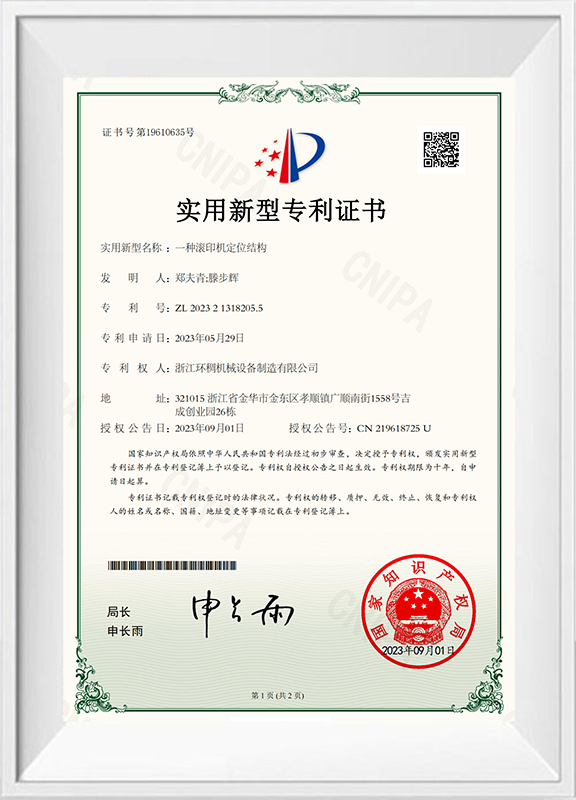
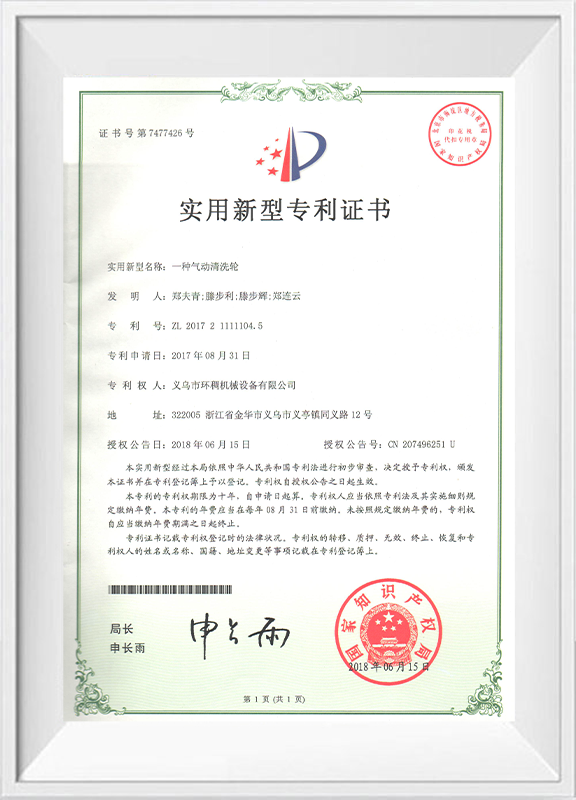
- Flow-controlled oil delivery, covered by our own patents for a syringe cylinder oil-spraying device and for an automatic oil spraying machine with syringe flow control.
Because the coating is airborne rather than wiped, it reaches the barrel shoulder and the full inner circumference. Oil consumption is tied to the parameters set on screen, so a parameter set that passes the first-article check can be locked and repeated shift after shift.
Output by Barrel Size
Larger barrels need longer spray intervals and a wider transfer pitch, so throughput is quoted per size rather than as a single headline figure. These are the standard working points on the HC-P024 platform.
| Barrel size | Production speed | Typical application | Process note |
|---|---|---|---|
| 1–2 ml | 220 pcs/min | Insulin and vaccine syringes | Short spray cycle, tight indexing |
| 3–5 ml | 260 pcs/min | Standard disposable and sterile syringes | Highest output in the range |
| 10–20 ml | 220 pcs/min | Medium-volume barrels | Wider pitch between carriers |
| 30 ml | 160 pcs/min | High-volume syringes | Longer spray dwell per barrel |
| 50 / 60 ml | 140 pcs/min | Large-bore and catheter-tip barrels | Longest transfer and spray time |
Rated speeds describe the spraying module under steady infeed. The line output that matters for your project is set by the slowest station around it, which is why we quote the module against your actual printing and assembly rates rather than in isolation.
Stand-Alone Station or Linked Module
Photoelectric sensors watch material presence at the infeed. When the supply runs empty the machine stops on its own; when barrels are replenished it restarts, which keeps the line from running dry or spraying air. That sensing logic is what allows the HC-P024 to work as a section of an automated line rather than a machine that needs a dedicated operator.
- Upstream and downstream with our Syringe Printing Machines Manufacturer range, so barrels are lubricated after printing and before assembly.
- Feeding directly into Syringe Assembly Machines Manufacturer lines where the plunger is inserted immediately after coating.
- Spare and replacement parts sourced from our Syringe Machine Components & Accessories Manufacturer inventory of nozzles, rollers and line components.
- Transfer pitch, carrier format and stop/start handshake confirmed with your line drawings at configuration stage.
Barrel carriers and infeed guides are made to your barrel drawing, so the same platform can be re-tooled when you add a new syringe size. That keeps spares and operator knowledge in one place instead of multiplying machine types across the workshop.
Materials, Cleanroom Running and Operator Involvement
Product-contact parts are stainless steel and food-grade materials, which suits the cleanliness and contamination-control expectations of medical device production. The machine runs continuously for 24 hours in a cleanroom environment, and the oil circuit is designed to keep the lubricant contained within the spray station rather than migrating onto the outside of the barrel.
Operator involvement is limited to parameter entry and routine inspection. Spraying time, atomization pressure and spray position are set on the touchscreen, after which feeding, positioning, spraying and unloading run automatically — removing the barrel-to-barrel variation that comes from manual lubrication.
Installation, Utilities and Commissioning
- Rated voltage: 220 V / 50 Hz
- Connected load: 1 kW
- Dimensions: 3600 × 1050 × 2150 mm
- Weight: 300 kg
- Site services: electrical supply, atomizing air and the oil supply line are confirmed before shipment
Planning starts from the footprint plus the aisle space needed at the infeed and outfeed, and from floor loading at the machine feet. Commissioning support covers parameter setting against your own barrels, a first-article spray check, operator training and remote assistance afterwards. We confirm the interface to adjacent equipment as part of the same commissioning visit so the module does not become an island on the line.
Quality Control, Maintenance and Spare Parts
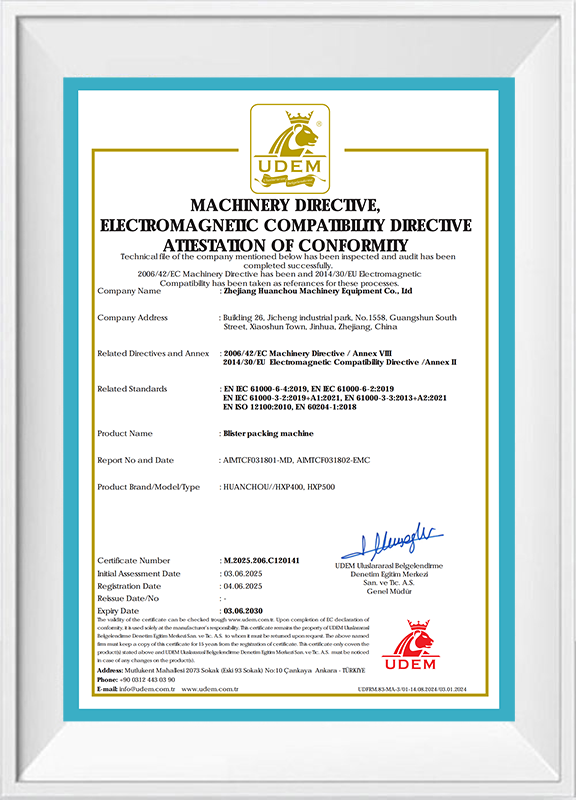
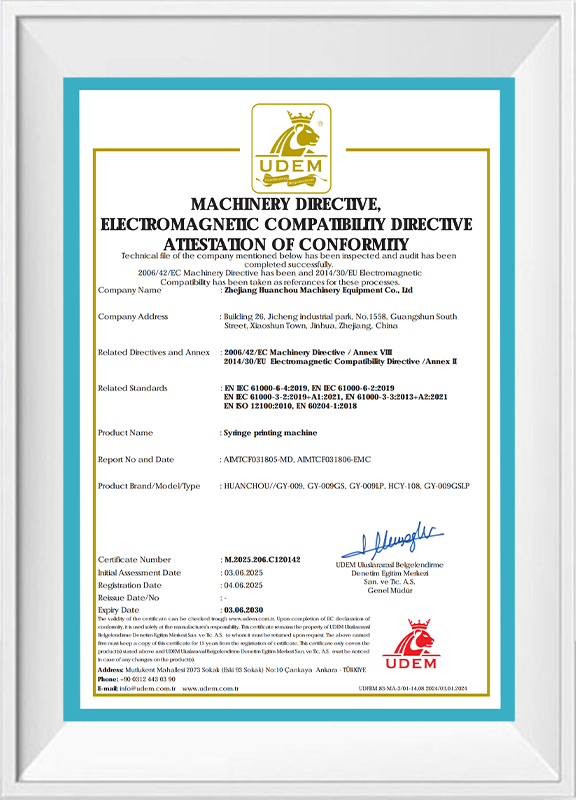
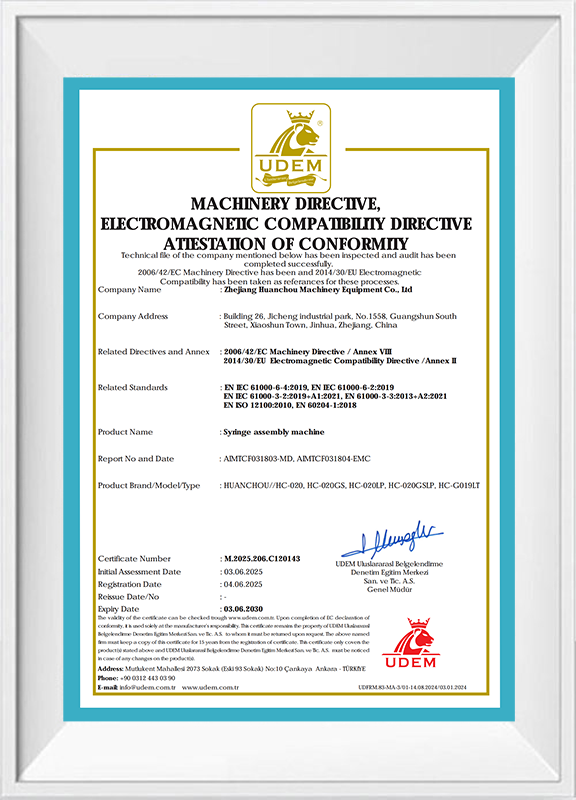
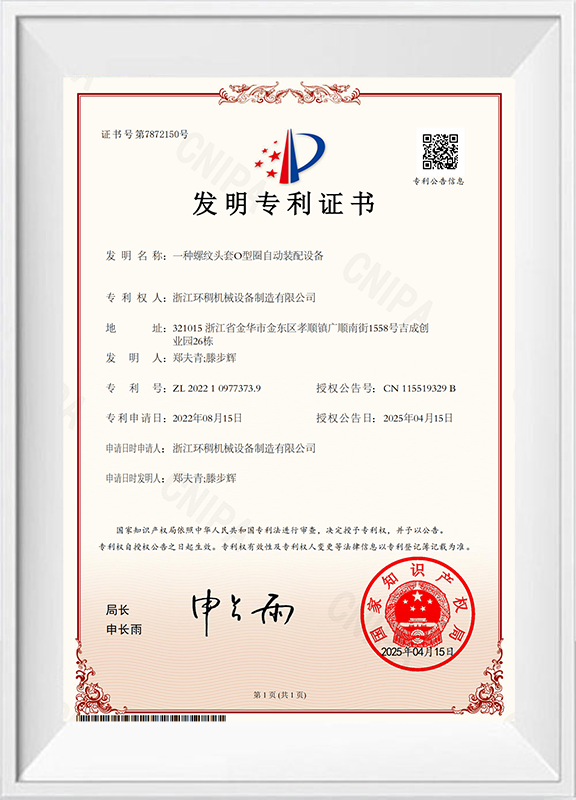
Our quality system is ISO9001 certified and our equipment lines carry CE certification, supported by a patent portfolio that includes the oil-spraying and flow-control designs used in this machine. Documentation supplied with each unit covers parameter setting, daily checks and the oil-circuit maintenance schedule.
- Check spray nozzles for blockage and keep the oil circuit unobstructed.
- Clean the filtration system as silicone oil viscosity changes, to hold atomization performance.
- Hold nozzle sets and filter elements as line spares so a clogged nozzle does not stop a shift.
- Log spray parameters with each batch so a proven setting can be restored after a changeover.
Nozzles and filters are the two consumable points that determine how long the spray station holds its performance. We supply both, together with the standard wear parts for the infeed and transfer sections.
Information We Use to Configure Your Solution
A quotation for this module is built from your barrel and line data, not from a catalogue number alone. The details below let us fix the carrier format, spray parameters, infeed length and documentation set in one pass.
- Barrel sizes, materials and drawings, including tip and flange geometry.
- Target output per shift and the rated speed of the printing or assembly stations either side of the module.
- Silicone oil grade and viscosity, plus the current lubrication method if you are replacing one.
- Line layout: stand-alone, or mounted between specific machines with transfer heights and spacing.
- Available electrical supply, air supply and cleanroom classification.
- Documentation, training language and spare parts holding requirements.
Send these details and our engineers return a configured proposal with the working point, tooling list, utility requirements and delivery scope stated explicitly. As a Fully automatic fuel injector spray testing machine manufacturer working from our Jinhua factory, we build the module around your barrel range rather than asking your line to adapt to a fixed format.
Frequently Asked Questions
What does the HC-P024 do on a syringe line?
It applies a controlled, atomized film of silicone oil to the inner wall of syringe barrels and to plunger surfaces before assembly. The coating reduces friction between plunger and barrel so the plunger moves smoothly during injection, and it limits defects such as plunger sticking caused by uneven lubrication.
Can the machine run inline with our existing printing and assembly equipment?
Yes. The HC-P024 can operate as a stand-alone unit or be connected with syringe printing machines and assembly machines. Photoelectric sensors stop the machine when material runs out and restart it when barrels are replenished, and we confirm the transfer pitch and stop/start handshake against your line layout during configuration.
How is the oil quantity controlled?
Through three touchscreen parameters: spraying time, atomization pressure and spraying position. The atomizing circuit is pressure-regulated and flow-controlled, so a parameter set that produces a correct first-article coating can be recorded and repeated for the rest of the batch.
Which syringe sizes and speeds are available?
The platform covers 1–2 ml at 220 pcs/min, 3–5 ml at 260 pcs/min, 10–20 ml at 220 pcs/min, 30 ml at 160 pcs/min and 50/60 ml at 140 pcs/min. Carriers are made to your barrel drawing, so additional sizes are handled by re-tooling rather than by adding a second machine type.
What maintenance does the spray station need?
Routine work is limited to checking the spray nozzles for blockage, keeping the oil circuit clear and cleaning the filtration system as silicone oil viscosity changes. Nozzle sets and filter elements are the parts to hold as spares, and both are supplied from our components range.
What utilities and floor space should we prepare?
The machine is rated at 220 V / 50 Hz with a 1 kW connected load, measures 3600 × 1050 × 2150 mm and weighs 300 kg. We confirm the atomizing air supply and oil line requirements with the proposal, and commissioning covers parameter setting, a first-article spray check and operator training.

 OEM/DOM Fully automatic fuel injector spray testing machine Manufacturer
Copyright ©
Zhejiang Huanchou Machinery Equipment Co.,Ltd.
All Rights Reserved.