

 中文简体
Walk the length of a modern syringe line and the number that decides whether the shift is profitable is rarely the headline speed printed on the datasheet. It is the number of times a person has to reach into the process. Every reach-in is a chance for a drop...
READ MORE
Home / Product / Syringe Machine Components & Accessories / Rubber Roller for Syringe Pad Printing Machines
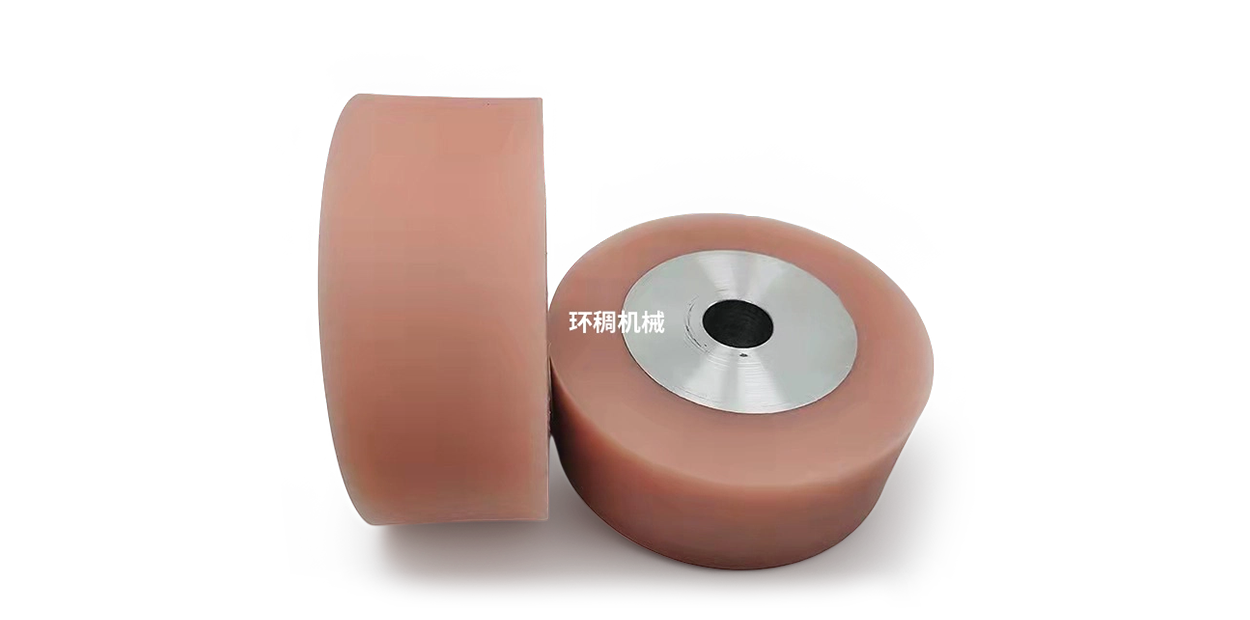
Rubber Roller for Syringe Pad Printing Machines
Introduction
Technical Parameters
Company
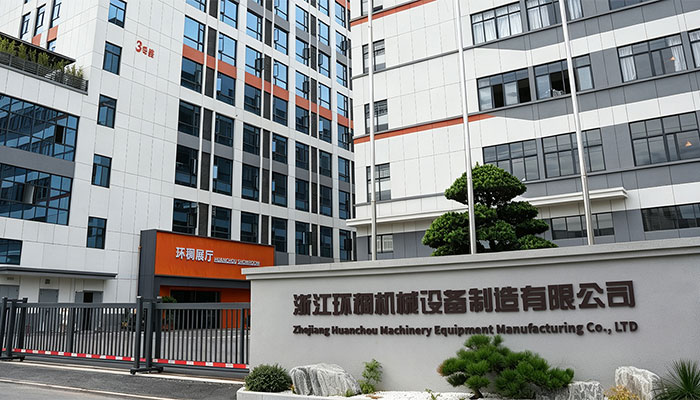
Zhejiang Huanchou Machinery Equipment Co.,Ltd.
Founded in 2008 and recognized as a National High-Tech Enterprise, Zhejiang Huanchou Mechanical Equipment Manufacturing Co., Ltd. specializes in R&D and manufacturing of automation equipment for disposable medical devices. Zhejiang Huanchou Mechanical Equipment Manufacturing Co., Ltd is a China Rubber Roller for Syringe Pad Printing Machines Manufacturer and Rubber Roller for Syringe Pad Printing Machines Supplier, our core products include automatic syringe assembly machines, self-destruct syringe assembly machines, automatic pad printing machines, and automatic syringe rolling printing machines.
With a dedicated R&D team of 23 professionals—nearly 40% of our total workforce—and ISO9001 certification, Huanchou serves clients across Europe, America, the Middle East, and Southeast Asia. Our new 23-mu manufacturing facility, designed to produce 1,000 syringe assembly line machines annually, is scheduled for full operation by the end of 2026, with an estimated annual output exceeding RMB 300 million.
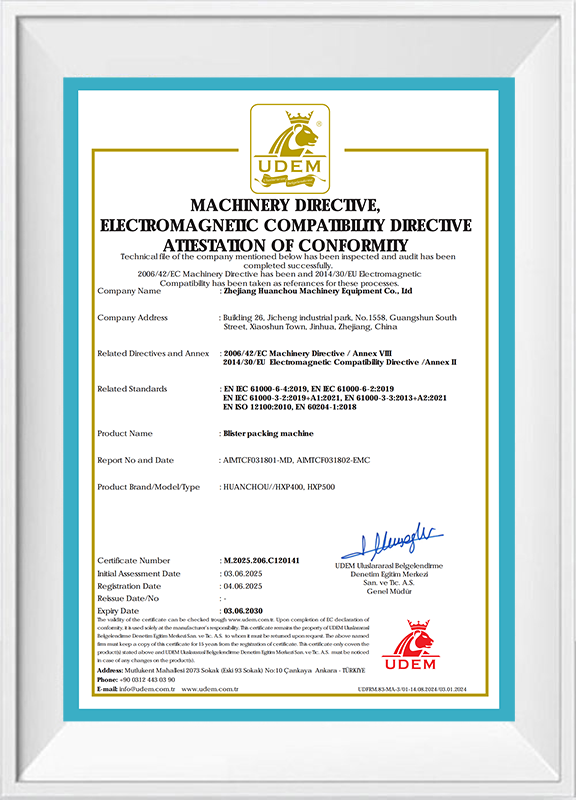
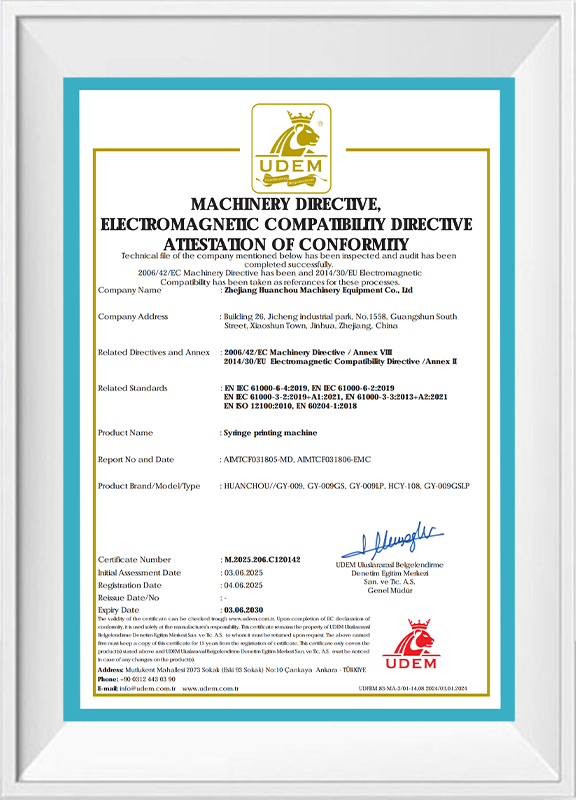
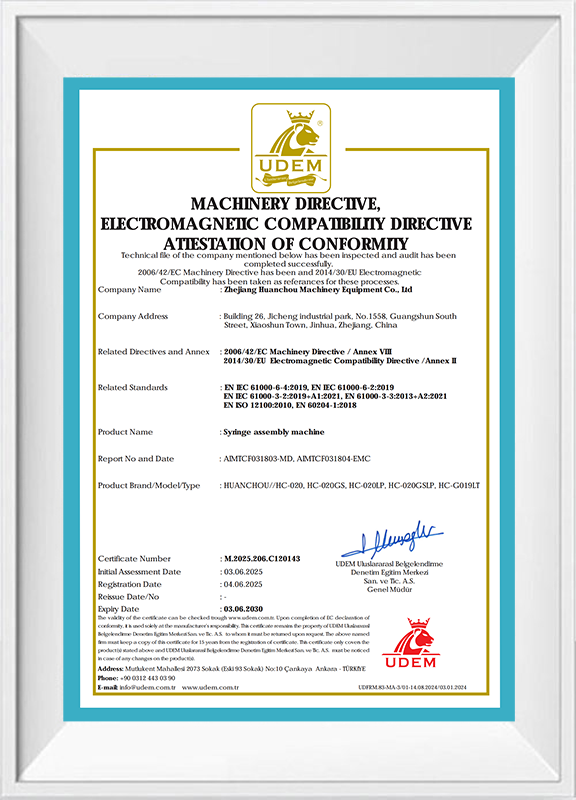
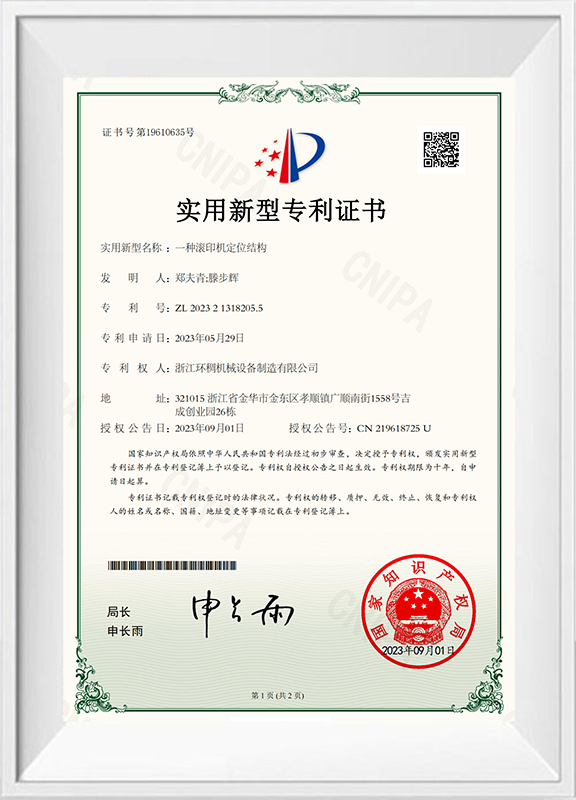
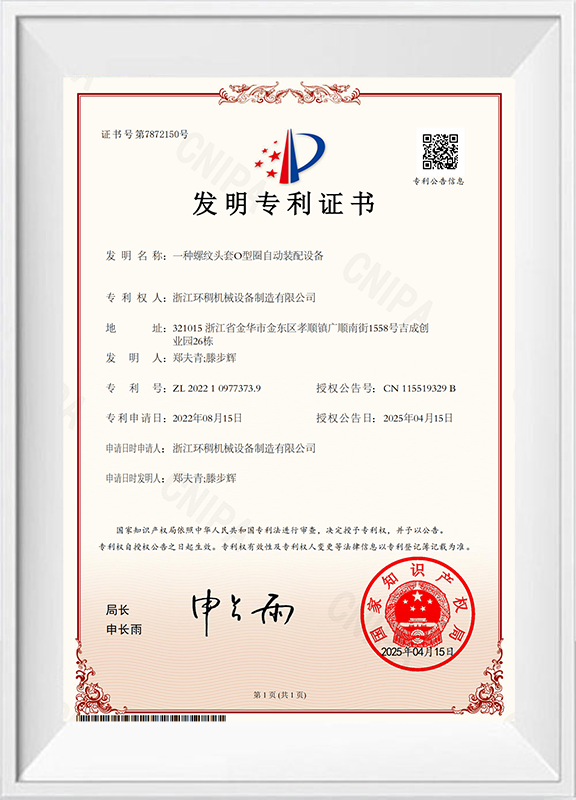
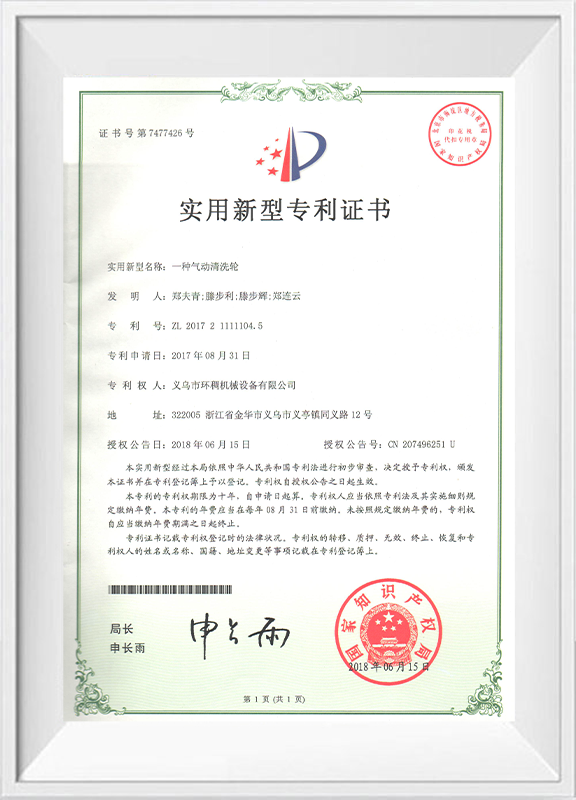
Certificate Of Honor
News
-
-
A line that runs four syringe formats will lose more time to changeover than to running. Walk the floor at shift change and the pattern is familiar: the printing station sits idle waiting for format parts, the assembly station runs one product at full speed, ...
READ MORE -
A syringe line that runs three safety-cover variants, two prefilled formats, and a printed barrel for a different customer can lose more output during changeovers than during steady running. The practical fix is not simply a faster machine. It is a custom aut...
READ MORE
Message Feedback
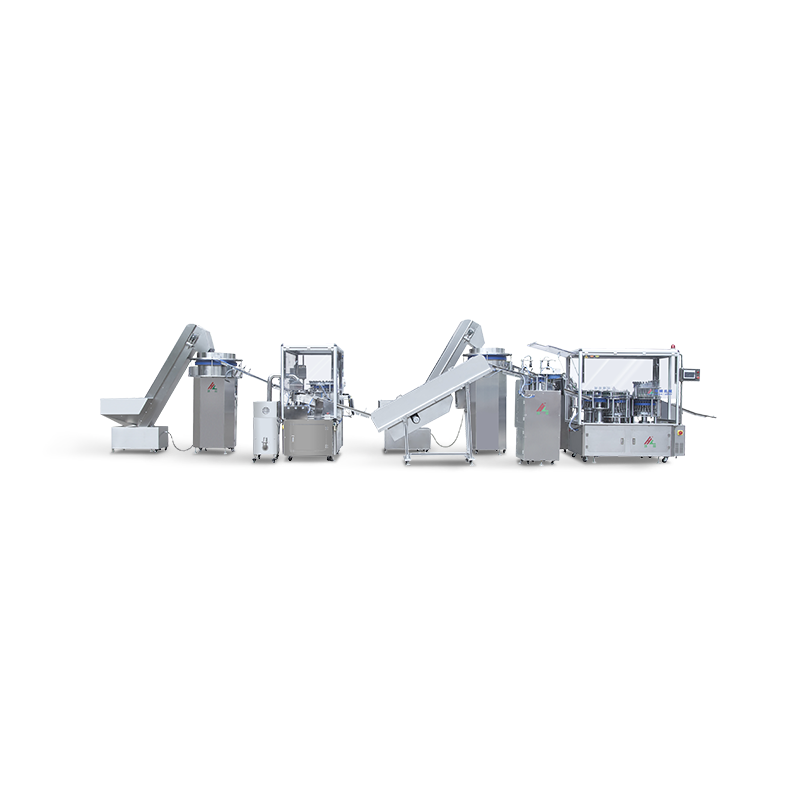
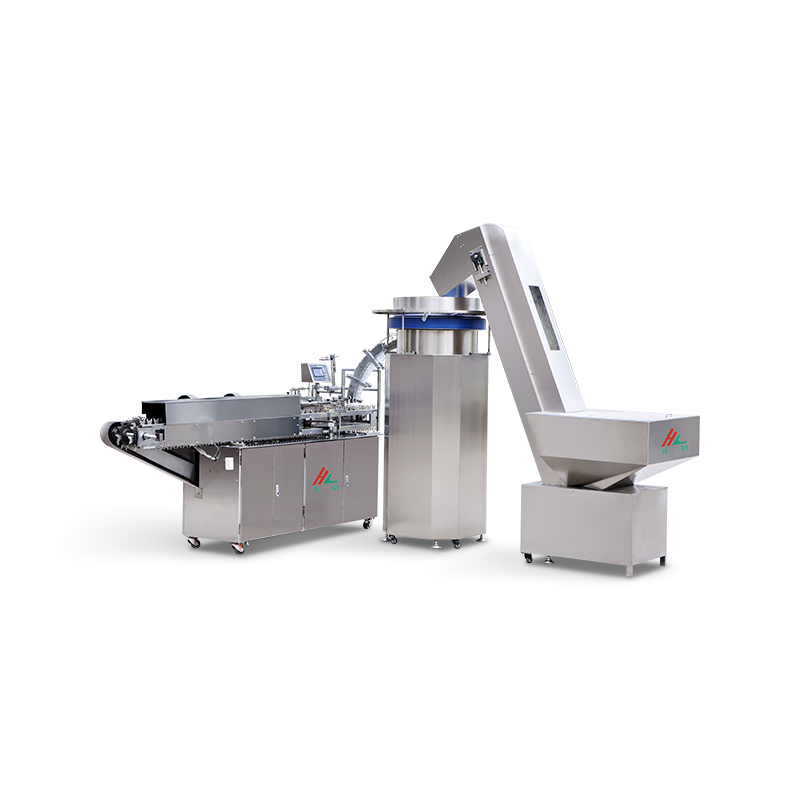
Rubber Roller for Syringe Pad Printing Machines Industry knowledge
Rubber Rollers Built for Syringe Pad Printing Lines
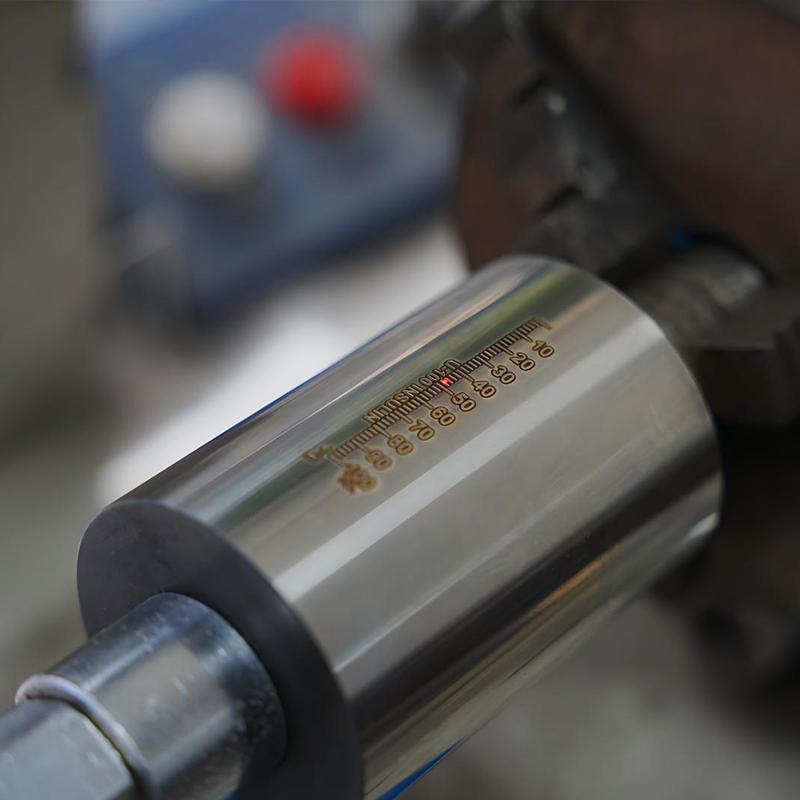
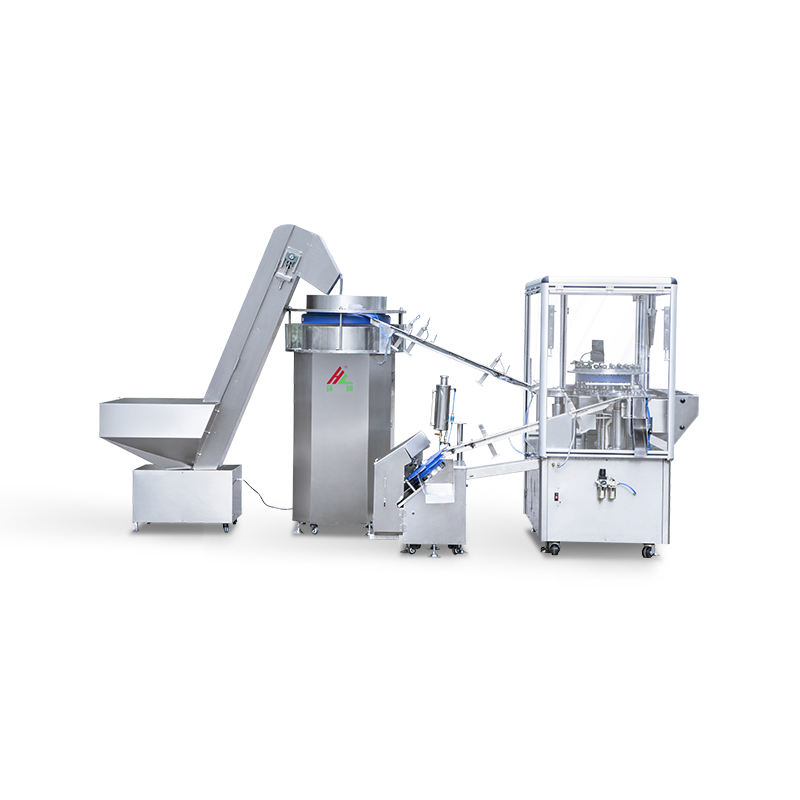
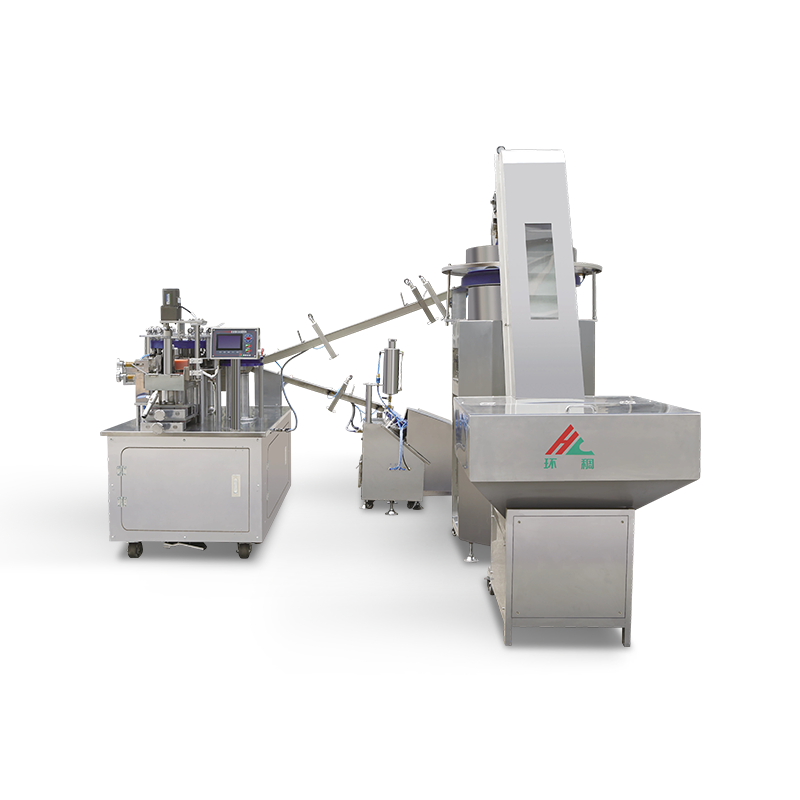
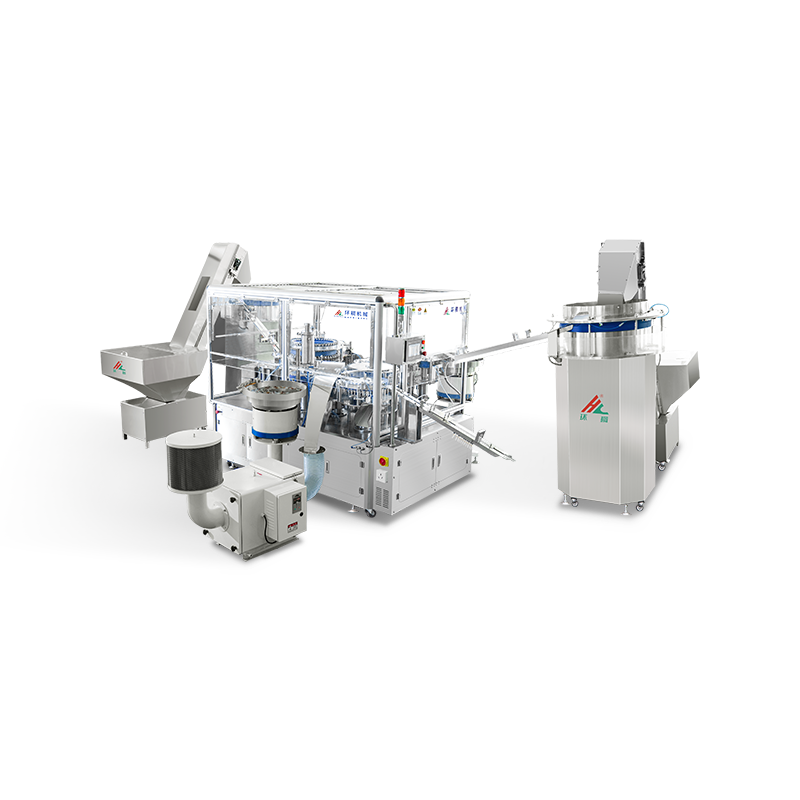
Bolun Press designs and builds automation for disposable medical devices — syringe pad printing machines, roller printing machines, assembly machines and combined printing-assembly lines — and manufactures the working components that wear inside them, including the Rubber Roller for Syringe Pad Printing Machines manufacturer range. Every roller is produced against a real machine interface: core or shaft geometry, bearing seats, face length, and the ink system it will run.
Rollers leave our workshop as replacement parts for lines already in production and as original fitment on new printing units. Because the same engineering team that builds the printing heads also specifies the roller, durometer, alignment and surface finish are agreed together with the machine, not in isolation.
- Founded in 2008; National High-Tech Enterprise with ISO9001 quality system certification.
- R&D team of 23 specialists, close to 40% of the workforce.
- 47 patents, including inking mechanisms for steel rollers on cylinder roller printing presses and cleaning mechanisms for printing rubber rollers.
- CE-certified printing and assembly machine ranges; components supplied alongside them.
What the Roller Does on a Syringe Printing Line
On a syringe barrel, the printed graduation has to sit in the same place on every part, cycle after cycle. The rubber roller is one of the few parts in that chain that contacts the work continuously, so its geometry and resilience translate directly into print position and ink laydown.
- Ink metering and transfer — carries and meters ink in the pad printing head so the cliché is flooded evenly across the full image width.
- Barrel support and rotation — the impression roller holds the barrel against the pad or gravure cylinder and rotates it without slip during transfer.
- Contact pressure control — roller hardness and crown set the contact band width, which controls how much ink reaches the curved barrel surface.
- Wear and cleaning duty — rollers run against solvent, thinner and wiping mechanisms, so compound choice and surface finish determine service life.
Our Roller Range and Where Each Type Fits
We supply rollers as individual wearing parts and as complete assemblies with core, bearing seats and mounting features. The table below shows how we align each roller position with the printing unit it serves.
| Roller position | Machine type it serves | What we match to the machine |
|---|---|---|
| Ink transfer / metering roller | Syringe Printing Machines with pad printing heads | Diameter, face width, durometer and compound relative to the ink and thinner in use |
| Impression / backing roller | Roller printing and rotary printing stations | Concentricity, crown, surface finish and hardness that hold the barrel without slip |
| Rubber roller against the steel gravure cylinder | Cylinder roller printing presses | Contact band width and compound resilience under doctoring pressure |
| Cleaning and wiping roller | In-line cleaning stations on rotary printing units | Solvent exposure, mounting linkage and interference with the pad or cliché path |
| Replacement roller sets | Installed lines already in production | Core dimensions, bearing seats and mounting pattern taken from your sample or drawing |
Companion parts for the same stations sit in our Syringe Machine Components & Accessories Manufacturer range, including the Embossing Seal for Syringe Pad Printing Machines, which is changed as a set with the roller when a printing station is reconditioned.
Reading the Specification: What Each Value Controls
- Durometer (Shore A) — softer compounds widen the contact band and adapt to barrel ovality; harder compounds give sharper ink release and longer shape retention.
- Outer diameter and face width — set by the printing head envelope and the printed image length; both drive surface speed at the nip.
- Concentricity / runout — the single largest influence on print position drift across a batch.
- Crown or flat profile — determines whether pressure is concentrated at barrel centre or held across the full printed length.
- Core material and bearing seats — steel or aluminium cores, shaft ends, keyways or clamp collars matched to your mounting.
- Surface finish — ground finish affects ink film pickup and how easily dried ink releases during cleaning.
Compound Selection Against Ink Chemistry
A roller that swells in thinner loses its diameter and its register at the same time. Compound selection therefore follows the ink system rather than the machine alone: solvent-based pad inks, UV-curable inks and the associated wash solvents each load the rubber differently.
We confirm the compound family — nitrile, EPDM, polyurethane or silicone — against the solvent list you provide, then fix hardness and finish to the printing duty. Where a line runs frequent colour changes, we favour a compound and finish combination that releases ink cleanly during wipe-down rather than one aimed only at maximum hardness.
Mounting, Alignment and Commissioning
Rollers are installed with the printing head open and the cliché or gravure cylinder removed from the ink path. The sequence below is the one we apply during machine commissioning and recommend for on-site roller changes.
- Seat the core in its bearing housings and confirm free rotation by hand before tensioning.
- Set parallelism between the roller and the mating cylinder or pad carriage with a dial indicator on the face.
- Establish the nip or contact band progressively, checking print position on scrap barrels at each step.
- Run a short break-in batch, then re-check runout and re-torque the mounting hardware.
- Record the final nip setting, durometer and roller identity on the line documentation for future replacement.
Quality Control and Acceptance
Rollers are inspected against the agreed drawing before packing, under the ISO9001 system that covers our machine and component production. The checks that matter to a printing line are the ones we record and hand over with the parts.
- Dimensional report on diameter, face width and core interface.
- Durometer readings taken across the working face.
- Runout measurement on the assembled roller, not the bare core.
- Visual and hardness consistency checks for compound defects, voids and surface marks.
- Trial print on sample barrels where the roller is supplied with a printing machine.
Maintenance, Cleaning and Reordering
Rollers are consumables, but they rarely fail suddenly. The practical signals are a graduation line that drifts along the barrel, ink pickup that needs increasing pressure to maintain density, or a visible flat and glazed band on the face. Replacing the roller at that point is cheaper than resetting the machine around a worn part.
Cleaning discipline protects both the roller and the rest of the ink path. We hold patents covering roller inking and roller cleaning mechanisms for rotary printing presses, and the cleaning routines we issue with a machine follow the same principle: remove ink from the face with the correct solvent before it cures, never leave the roller standing under load, and rotate the roller to a relaxed position at shutdown.
Information We Use to Configure Your Solution
A roller quotation is only as good as the interface data behind it. For a replacement part we work from a worn sample, a drawing or measured dimensions; for a new printing unit the data comes from the machine specification itself.
- Machine details — model, printing method (pad or roller/rotary), number of colours and station layout.
- Roller data — outer diameter, face width, core diameter and length, shaft ends, keyway or clamp type, bearing reference.
- Printing duty — syringe barrel size range, printed image length, required position tolerance and target output per shift.
- Ink and solvent list — the chemistry the roller will contact, including cleaning agents.
- Operating conditions — ambient temperature, continuous or intermittent running, and whether the station runs under a safety cover.
- Delivery scope — bare roller, roller with core and bearings, or a full station set with embossing seal and cleaning components.
Frequently Asked Questions
Do you supply rollers for printing machines you did not build?
Yes. Most replacement orders come from installed lines in the field. We work from the worn roller, a dimensioned drawing or measured values for the core, bearing seats and mounting pattern, and confirm the printing duty before quoting.
Which rubber compound will my roller use?
The compound family is selected from the ink and cleaning solvent list you provide, then hardness and surface finish are set to the printing duty. Solvent-based pad inks, UV inks and aggressive wash solvents each require a different balance of swelling resistance and ink release.
Can the roller be supplied as a complete assembly?
We supply bare rollers, rollers bonded to the core, and complete assemblies with bearings and mounting features. Assemblies are checked for runout after build, so the concentricity value refers to the part that goes onto your machine.
How do I know when a roller needs replacing rather than resetting?
A graduation that drifts along the barrel, a glazed or flattened band on the face, or steadily increasing pressure to hold ink density all point to a worn roller. Once the face has taken a set, adjusting the head only hides the problem and transfers it to the next batch.
What documentation comes with a roller order?
Rollers are dispatched with the dimensional and hardness record for the batch and the drawing reference used for production, so a repeat order can be raised against the same specification without re-measuring the machine.
What information do you need to prepare a proposal?
Machine model or printing method, roller dimensions or a sample, the barrel size range and printed image length, your ink and solvent list, and the required delivery scope. With that set we return a roller specification, quantity basis and delivery schedule.

 OEM/DOM Rubber Roller for Syringe Pad Printing Machines Manufacturer
Copyright ©
Zhejiang Huanchou Machinery Equipment Co.,Ltd.
All Rights Reserved.